-
For Korean Studies and Korean Canadian Studies: Perspectives and Research Agenda
-
By Hyun Ok Park, Director of the Core University Program for Korean Studies Project, “Korea in the World, the World in Korean Studies,” at York University
York University is spearheading the development of Korean studies and Korean Canadian studies in Canada with the Core University Program for Korean Studies Grant of the Academy of Korean Studies (2018-2023). York University is only the second Canadian university to receive the grant, almost ten years after the University of British Columbia. This grant to York University comes at a time when major changes on the Korean peninsula are intersecting with those in Canada and within area studies to configure new historical and political conjunctures for the development of Korean studies. I delineate below three historical and political conjunctures which are opening up promising research areas for Korean studies and Korean Canadian studies.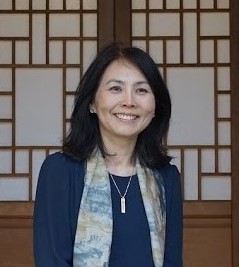
First, Korean studies in Canada develops in the national and geopolitical soil of the colonial nation-building process and the various enduring critiques that this has catalyzed within society. Teaching in Canada for the past decade has taught me that this national foundation distinguishes Korean studies in Canada from that of its southern neighbor, the US. Though many Korea-related scholars in Canada were trained in the US, a fruitful development of Korean studies in Canada can benefit from a substantive engagement with this historical and political conjuncture.
In Canada, official multiculturalism frames the national belonging of Korean immigrants and their relations with other national and minority groups, while putting them in contact with the colonial foundation of the nation and its legacies. Adopted in 1971 as the first official policy of its kind in the world, multiculturalism helped Canada cope with its domestic and international crisis in the post-World War II era, but it also successfully created a new national identity. When the domestic economy rapidly expanded in the midst of declining European emigration to Canada, the multicultural policy fostered the rapid increase of new immigrants from all parts of the Third World. Its “integration or fragmentation” discourse helped to mitigate the resistance of indigenous peoples and the separatist movement in Quebec, both of which had gained international support during the 1960s. Furthermore, the multicultural policy allowed Canada to radically revamp its national identity within post-World War II global politics, shifting from its hitherto preferred immigration policy that favored Western Europeans to become a more cosmopolitan and humanitarian nation. Multiculturism also helped Canada to differentiate itself from the US and attract immigrants who otherwise would have headed to the US.
Canadian multiculturalism categorizes Korean Canadians and non-white immigrants as “visible minorities.” Behind the façade of diversity and tolerance of multiculturalism, Canada’s skin-color based category differentiates non-white immigrants from their normalized two-nation (Anglo-French) Canada. The racial discourse of multiculturalism construct both non-white immigrants and indigenous peoples as others of the normalized Canadian nationals. It turns indigenous peoples into an ethnic group, thereby erasing the colonial legacy of their subjugation. It also establishes a structural antagonism between them by making non-white immigrants unconsciously complicit with this repressed colonial history. The master narratives of difference and otherness in multiculturalism confine the rights of visible minorities to “ethnic rights” to maintain their native cultures in lieu of pursuing economic and political equality. For non-white multicultural immigrants, this ethnicized difference is an obstacle to becoming full and equal members of the Canadian nation, regardless of how long they have resided in the country or whether they were born there or not. For indigenous peoples, the recent wave of state reparations, including the official apology in 2008 for residential school survivors and to all indigenous peoples, has yet to break the binary of the nation and its others, nor has it resolved the centuries-long dispute over land treaties between Canada and First Nations peoples. The rights of indigenous peoples have yet to be extended to the improvement of their daily economic and political lives, as their economic activities from fishing and hunting to agriculture, commerce and industry were closely regulated until the mid-20th century. Public education regarding reparations is still limited to an awareness of the cultural dispossession of indigenous peoples, largely maintaining a liberal color-blind consciousness about the Canadian nation itself and the popular double-standard toward land disputes.
For these reasons, some critics posit multiculturalism as racism by other means, which allows racism and liberal democracy to coexist in Canada. This colonial and racial history distinguishes the experiences of Korean Canadians from other Korean diasporic populations around the world. It authorizes Korean studies in Canada to engage in a dialogue with indigenous studies and develop a historical and transnational comparative study of democracy, race, and diaspora. The ethnicization of multicultural subjects opens up the possibility of alliance and solidarity across multicultural subjects in the critique of white supremacy. The development of Korean Canadian studies will prepare Korean studies at York to contribute to the comparative study of Korean diasporas with the support of the York Centre for Asian Research (YCAR) that supports both Asian studies and Asian Diaspora studies.
Secondly, the development of Korean studies at York University comes at a moment of a shifting power configuration amongst the two Koreas, the US, China, and Russia. The development of Korean studies and Korean Canadian studies reflects the unique diasporic experience of Korean Canadians in relation to divided Korea. At an anecdotal level, a group of Korean Canadians in Toronto served as a vital gateway to North Korea during the Cold War, mediating family contacts of Korean Americans and South Koreans with North Koreans. Their roots in northern Korea, going back to the first half of the 20th century, and their perspectives on Korean unification make this hidden history an interesting topic for an oral history project. Since the 1990s, Korean Canadians’ relations with North Korea have diversified, in part due to new waves of immigration following the 1997 financial crisis and the advance of neoliberal globalization in South Korea. Korean studies and Korean Canadian studies take into consideration the diversity of Koreans’ experiences across Canada over time, as well as the changing political landscape on the Korean peninsula. Since Toronto has the largest population of Korean Canadians in the nation, there are grounds for them to play important roles in the future of Korean studies.
A research area capable of melding the fields of immigration, democratization, and post/Cold-War studies is a comparative study of reparations in South Korea and Canada. Moreover, the coeval temporality of official reparations since the year 2000 makes the two countries viable cases for comparing the truth-and-reconciliation process in terms of the state’s violence, democratization, social movements, and multiculturalism. In other words, Canada meets Korea and Asia on the issue of reparations. The struggle of both multicultural and (Anglo-French) national subjects to interrogate the construction of their Canadian nation offers a global optic for the study of historical injustice in Northeast Asia. It is no wonder that President Ahn Byong-ook’s keynote address at York (see below) animated the Canadian audience to inquire about the two countries’ shared experiences of reparations, as Ahn was the president of the Truth-and-Reconciliation Commission in South Korea.
The critique of the state’s violence has also emerged in other parts of social activism and critical theories in Canada. In its metropolitan centers, a radical democratic activism has brought together two unlikely allies — advocacy for undocumented migrants (e.g., No One Is Illegal) and anti-colonial movement of indigenous peoples — in interrogating the citizenship-based politics of rights. A theoretical and political imagination going beyond statist-juridical rights of the people is a promising area for Korean studies.
Thirdly, the development of Korean studies at York University takes place when “global studies” is increasingly replacing area studies for scholars pursuing globalized themes such as human rights, migration, security, and sustainability. Whereas area studies in the US originated in the nation’s imperial and Cold-War drives, the Canadian counterpart tends to follow the trend of global studies without such a historical origin. As Abidin Kusno, Director of the York Centre for Asian Research, notes, Canada approaches Korean studies through the lens of “international politics.” York University considers the development of Korean studies as its internationalization and global outreach. Korean Canadians see it in terms of national multiculturalism. I agree with him that Korean studies at York will help bridge this division of knowledge.
Since its establishment in 1959, York University has grown into the third largest university in Canada, with over 52,000 students enrolled across eleven Faculties. Known for its diverse student body from more than 178 countries, York is a research university with an international reputation and reach that engages in academic partnerships with nearly 300 institutions around the world. In addition to many Canadians of Korean origin, the University hosts nearly 500 undergraduate and graduate students from Korea. In recent years, the University has strengthened its ties with Korea, signing exchange agreements with seven universities in South Korea and a Memorandum of Understanding with the Ministry of Education of the Republic of Korea. As a Canadian university with a high concentration of Korean scholars and research activities, faculty members with Korea-related research at York include 7 tenured faculty members and 1 tenure-track faculty, whose work ranges across diverse disciplines of the humanities and social sciences – namely, the Departments of Sociology, Humanities, Political Science, Languages, Literatures and Linguistics, History, and Visual Art and Art History.
Under the theme of “Korea in the World, the World in Korean Studies,” the Core University Program for Korean Studies Grant is enabling York University to develop a global, comparative and transdisciplinary study of Korea and Korean diaspora in Canada and beyond. After two decades of informing the world of the value of Korea’s history and culture, Korean studies has now reached the point where it can lead and transform intellectual debates and research in humanities and social sciences and in area studies as a whole. Our specific research objectives over the next five years are two-fold: 1) to solidify our research infrastructure at York through the foundation of a Korean studies institute (Korean Office for Research and Education, or KORE); 2) to direct the activities of the following five research clusters— New Critical Korean Studies, Korean Canadian Studies, Transcultural Pedagogy in Languages and Cultures, North Korea, and Resistant and Transformative Politics.
At York University the KORE will direct the cutting-edge research initiatives of its faculty members, new education opportunities for undergraduate and graduate students, and its strong partnership with the Korean Canadian community. It will also oversee a creative regional collaboration with 12 other project members from 5 other Canadian universities and 2 American universities, including University of Toronto, University of Waterloo, University of Saskatchewan, and Saint Mary’s University in Halifax. The research collaborations of the five clusters will result in the organization of workshops, lecture series, and international conferences on various topics, as well as the submission of 8 book manuscripts and 9 journal articles. Given the diverse academic fields and scholarly orientations of its participants, the project doesn’t operate according to the usual unified and homogenized approaches to Korean studies and Korean Canadian studies. However, the project is expected to address some of the perspectives and research agenda I outlined above.
In the first year (2018-2019), the project has accomplished all of its objectives. On February 1, 2019, the University officially opened its new Korean studies institute, KORE. The opening celebration included expert panels drawn from North America and Korea at the inaugural conference entitled “Old Problems, New Ideas.” Four panelists from York explored key issues confronting Korean and Asian studies. Four other panelists in the fields of history, literature, and media studies from Toronto and the US discussed the on-going peace and unification process of the two Koreas and its theoretical and methodological implications for Korean studies. In the keynote address “Korean Studies: A Global Perspective,” Byung-ook Ahn, president of the Academy of Korean Studies, offered a new global perspective for Korean studies by discerning the socio-cultural experiences that emerged to respond to various global challenges in Korean history, and presented Korean studies as an important and fruitful field for comparative global studies beyond East Asia. As mentioned above, his address generated great interest in the audience in terms of the comparative aspects of the truth-and-reconciliation process in Korea and Canada. In attendance were dignitaries including: Nanhee Ku, director of the Korean Studies Promotion Service of the Academy of Korean Studies; Tae-In Chung, consul-general of the Republic of Korea in Toronto; and Rhonda Lenton, president and vice-chancellor of York University.
In addition to developing new courses and offering internships to students at York, the five clusters have enlivened Korean studies through innovative and rigorous research activities that resulted in the submission of 5 publications, and organized 4 workshops and symposia, 7 lectures, and 2 film series — all at York University except one at the University of Toronto. These covered the areas of pedagogy, visual arts, popular culture, gender and feminism, historical justice, North Korea, and Korean Canadian studies. Information on past and upcoming events and activities are posted on the KORE website at https://kore.info.yorku.ca/.
한국학과 한국-캐나다학: 전망과 연구과제
박현옥(York University, 해외한국학 중핵대학 육성사업 연구책임자)
요크대학교는 한국학중앙연구원의 해외한국학 중핵대학 프로그램 (2018-2023)에 선정되어 캐나다의 한국학과 한국-캐나다학 발전을 선도하고 있다. 요크대학교는 캐나다 대학 중 두 번째로 해외한국학 중핵대학에 선정되었는데, 이는 브리티시 콜롬비아 대학교 이후 약 10년 만의 쾌거이다. 요크대학교가 선정된 시기는 한반도에서 일어난 중요한 변화가 캐나다의 국내적 변화 및 지역학 내부의 변화 시기와 맞물리면서, 한국학 발전을 위해 새로운 역사·정치적 국면을 조성하고 있던 시기였다. 한국학과 한국-캐나다학이 유망한 연구영역으로 떠오르게 된 세 가지 역사·정치적 국면을 다음과 같이 소개하고자 한다.
첫째, 캐나다의 한국학은 식민주의적 국가건설과정과 그 과정에서 촉진된 다양한 비판이라는 국가의 정치지형 속에서 발전한다. 지난 10년간 캐나다에서 강의하면서 나는 이러한 국가의 기반이야말로 캐나다의 한국학을 남방의 이웃인 미국과 차별 지운다는 걸 배울 수 있었다. 캐나다에 있는 많은 한국 관련 학자들이 미국에서 교육을 받지만, 캐나다 한국학의 발전은 이와 같은 역사적·정치적 지형과의 실질적인 연계를 통해서 좋은 결과를 이루어낼 수 있다.
캐나다 한국 이민자들은 식민주의적 기반과 그 유산을 접하면서, 이 나라의 공식적인 다문화주의를 통해 국가에 대한 소속감과 다른 이민자 혹은 소수자 그룹과의 관계를 형성한다. 1971년 세계 최초로 공식 제도로 도입된 다문화주의는 캐나다가 제2차 세계대전 이후의 국내·외의 위기를 헤쳐 나가는데 도움을 주기도 하였지만, 다른 한 편으로는 새로운 국가정체성을 성공적으로 창조하는데 도움을 주었다. 유럽의 이민자의 유입이 적어지면서 국내 경제가 빠른 속도로 성장할 때, 다문화주의 정책으로 인해 제3세계로부터의 새로운 이민자 수가 급증했다. “통합 혹은 분열” 담론은 1960년대 국제적 지원을 받던 토착민의 저항과 퀘벡의 분리주의 운동을 완화시키는데 도움을 주었다. 더욱이 다문화주의 정책으로 인해 캐나다는 제2차 세계대전 이후 세계 정치에서 새로운 국가적 정체성을 빠르게 수정해 갈 수 있었다. 즉, 이전까지 서유럽 이민자를 선호하던 정책에서 보다 전 지구적이고 인도적인 나라로 변화해 간 것이다. 다문화주의는 캐나다가 스스로를 미국과 차별화함으로써 미국으로 향하던 이민자들을 캐나다로 유치하는데도 도움을 주었다.
캐나다의 다문화주의는 한국계 캐나다인과 백인이 아닌 이민자들을 “외형상 소수인 (visible minorities)”으로 구분한다. 다양성과 다문화주의적 관용이라는 얼굴 뒤에서 캐나다는 피부색을 기반으로 국민을 구분하며, 백인이 아닌 이민자를 정상화된 두 국가(영국과 프랑스)에서 온 이민자와 구별한다. 다문화주의라는 인종차별적 담론은 백인이 아닌 이민자와 토착민을 모두 정상화된 캐나다 국민에 대한 타자로 구성함으로써 그들의 종속이라는 식민주의적 잔재를 지워버린다. 다문화주의는 또한 백인이 아닌 이민자들이 이러한 억압적 식민주의 역사에 무의식적으로 가담하게 만듦으로써 구조적 적대감을 조성한다. 다문화주의에서 다름과 타자화의 주요 담론은 외형상 소수인의 권리를 경제·정치적 평등 추구가 아닌 자기가 태어난 문화를 유지하는 “민족적 권리”로 제한한다. 비백인계 다문화 이민자에게 이러한 민족화 된 차이는 그들이 이 나라 혹은 국가에서 얼마나 살아왔는지에 상관없이 캐나다라는 국가의 온전하고 동등한 구성원이 되는데 방해물로 작용한다. 토착민들에게 2008년 기숙학교 생존자와 모든 토착민들에 대한 공식적인 사과를 포함하는 최근의 국가적 배상 흐름은 국가와 타자라는 이분법을 타파하지 못했고, 몇 세기에 걸친 [유럽계] 캐나다인과 선주민 사이의 토지협정 분쟁을 해결해주지도 못했다. 토착민들은 20세기 중반까지도 어업과 사냥, 농업, 상업·산업과 관련된 다양한 경제 활동에서 제한을 받아왔기 때문에 토착민들의 권리는 이들의 일상적인 경제·사회적 삶을 개선하는 데에까지 확대되어야만 한다. 배상과 관련된 공교육 역시 아직까지도 토착민들이 당한 문화적 지배에 대한 문제의식만을 일깨우는데 한정되어 있어서, 캐나다라는 국가 자체에 대한 자유주의적 인종차별 반대와 토지문제 대한 일반적인 이중 잣대를 그대로 유지하고 있다.
이러한 이유로 몇몇 비평가들은 다문화주의를 인종차별주의로 규정하고, 다문화주의가 인종차별주의와 자유주의적 민주주의가 캐나다에서 공존할 수 있는 토대를 제공한다고 비판한다. 이러한 식민주의적이고 인종차별적인 역사가 한국계 캐나다인의 경험을 지구의 다른 나라에 사는 한국계 사람들(디아스포라)과 차별화시킨다. 한국계 캐나다인의 경험을 통해 캐나다의 한국학은 다른 토착민 연구와 소통하고, 민주주의·인종·디아스포라 관련한 역사적·다국적 비교 연구를 발전시킬 수 있다. 다문화적 주체의 민족화는 백인우월주의 비판과 다양한 문화 주체의 동맹과 연대의 가능성을 열어준다. 한국-캐나다학의 발전과 아시아학과 아시아 디아스포라학을 모두 지원하는 요크 아시아 연구 센터 (YCAR)의 지원을 통해 요크대학교의 한국학연구는 한국의 디아스포라에 대한 비교 연구에 기여할 수 있는 발판을 마련할 수 있을 것이다.
둘째, 요크대학교의 한국학 발전은 남·북·미·중·러 5개국 사이의 힘의 균형이 재편되는 시점과 맞물린다. 한국학과 한국-캐나다학의 발전은 분단된 한반도와 관련한 한국계 캐나다인의 독특한 경험을 반영한다. 한 가지 일화를 살펴보면, 토론토에 사는 한국계 캐나다인 단체는 냉전시대에 북한을 드나드는 중요한 통로 역할을 하며, 한국계 미국인과 남한사람들이 북한의 가족과 연락할 수 있도록 도와주었다. 북쪽에 뿌리를 두고 있는 이 그룹의 역사는 20세기 초반으로까지 거슬러 올라가며, 통일에 대한 이들의 시각으로 인해 이들의 숨겨진 역사는 구술역사기획을 위한 흥미로운 주제가 될 수 있을 것이다. 1990년대 이후, 한국계 캐나다인과 북한의 관계는 더욱 다양화되었으며, 이는 부분적으로는 1997년 남한의 경제위기와 신자유주의적 세계화의 발전에 기인한다. 한국학과 한국-캐나다학은 한국인이 캐나다에서 겪은 다양한 경험뿐 아니라 한반도 정치지형 변화 역시 고려한다. 토론토에는 캐나다에서 가장 많은 한국계 캐나다인이 살고 있으며, 이들이 바로 한국학의 미래를 위한 중요한 역할을 할 것이다.
이민, 민주화, 후기/냉전학이라는 다양한 분야를 혼합할 수 있는 연구 분야는 바로 남한과 캐나다에서의 배상에 대한 비교 연구이다. 2000년 이후 거의 동시에 이루어진 공식적인 배상의 시간성 문제로 인해 국가 차원의 폭력과 민주화, 사회운동, 그리고 다문화주의라는 차원에서 볼 때, 이 두 국가의 진실과 화해를 위한 과정은 비교연구의 좋은 사례가 될 수 있다. 다시 말해, 캐나다는 배상이라는 문제를 통해 한국과 아시아와 통하는 지점이 있다. 캐나다 국가 건설에 대한 질문을 던질 때 등장하는 다문화주의와 (영국-프랑스계) 국가 주체의 문제는 동북아시아의 역사적 부정행위를 연구하는데 보다 세계화된 시각을 제공할 것이다. 그런 점에서 남한의 “진실과 화해 위원회” 위원장이었던 안병욱 현 한국학중앙연구원 원장의 요크대학교 연설은 이러한 두 나라 간의 공통된 배상의 역사에 대한 질문을 던지며 활력을 불어넣었다는 사실은 그리 놀라운 일이 아니다. 국가폭력에 대한 비판은 캐나다의 다른 사회 운동이나 비판이론에서도 제기되었다. 주요 대도시에서는 급진적 민주주의 운동이 예상치 못했던 두 단체, 즉 이주증명서가 없는 이민자를 위한 지지단체 (예: “누구도 불법이 아니다 No One Is Illegal”)와 반식민주의 운동을 벌이는 토착민 단체로 하여금 시민권에 기반을 둔 권리의 정치에 문제제기하는데 서로 협력하게 했다. 국가·사법적 인권을 넘어서는 이론적·정치적 상상력이야말로 유망한 한국학 분야라고 생각한다.
셋째, 요크대학교의 한국학 발전은 “국제학(global studies)”이 점차 지역학을 대체하며, 학자들로 하여금 인권과 이민, 안보, 지속가능성과 같은 세계적 주제를 연구하는 시기에 이루어졌다. 미국의 지역학이 국가의 제국주의와 냉전체제에 기반해서 발전했다면, 캐나다의 지역학은 그러한 역사적 유래 없이 세계학의 흐름을 좇는 경향을 보인다. 요크 아시아 연구센터의 센터장인 아비딘 쿠스노(Abidin Kusno)가 지적했듯이, 캐나다는 “국제정치” 관점에서 한국학에 접근한다. 요크대학교는 한국학의 발전을 국제화·세계화하려는 시도의 일환으로 이해한다. 한국계 캐나다인들은 한국학을 국가적 다문화문의라는 차원에서 보고 있다. 필자는 요크대학교의 한국학이 이와 같이 다양한 지식들을 연결하는 역할을 할 것이라는 그의 의견에 동의한다.
1959년 설립 이래, 요크대학교는 11개 학부 52,000명의 학생을 둔 캐나다에서 세 번째로 큰 대학교로 성장했다. 178개국 이상의 다양한 국적을 지닌 학생들로 구성된 다양성으로 잘 알려진 요크대학교는 전 세계 300여개 기관과 학문적 협력관계를 맺음으로써 국제적 위상과 역량을 떨치고 있다. 요크대학교는 한국계 캐나다인뿐만 아니라 현재 500여명의 한국유학생들이 학부와 대학원 과정에서 공부하고 있다. 최근 요크대학교는 남한의 7개 대학과 학생교환협정과 교육부와의 양해각서를 체결하면서 한국과의 관계를 강화해왔다. 한국 관련 학자들의 연구 활동이 매우 활발한 캐나다의 대학으로서 요크대학교에는 한국학 관련 전임교원(tenured) 7명, 전임교원 과정에 있는 교원 1명이 사회학과, 인문학과, 정치학과, 언어학과, 문학·어문학과, 역사학과, 시각예술·예술사학과 등 다양한 인문·사회분야에서 활동하고 있다.
“세계 속의 한국, 한국학 속의 세계”라는 주제 아래, 해외한국학 중핵대학 프로그램은 요크대학교가 캐나다와 그 밖의 지역에서 한국과 한국의 디아스포라에 대한 세계적이고 비교적 관점에서 학제간 연구를 발전시킬 수 있도록 지원하고 있다. 한국의 역사와 문화의 가치를 세계에 알린지 20여년이 지난 지금, 세계의 한국학은 인문학과 사회과학, 그리고 지역학 전체에서 지적 토론과 연구를 선도하고 변화시킬 수 있는 위치에 도달했다. 향후 5년 연구 목표는 크게 두 가지, 즉 한국학센터 설립 (Korean Office for Research and Education, or KORE)을 통한 연구기반 공고화와 신 비판한국학, 한국-캐나다학, 제문화적 어문교육학, 북한학, 저항과 변혁의 정치학 등 다섯 개 연구 분과 활동의 관리·감독이다.
요크대학교의 한국학센터(KORE)는 교원의 최신 연구 기획과 학부생과 대학원생을 위한 새로운 교육 기회 제공, 한국계 캐나다인 단체와의 탄탄한 관계 유지 등을 주도할 것이다. 또한 토론토대학교, 워털루대학교, 사스카츄완대학교, 핼리팩스의 세인트메리대학교 등 캐나다 내의 다섯 개 대학과 두 곳의 미국 대학에서 활동 중인 12명의 프로젝트 팀원들과 창조적인 지역 협력관계를 감독할 것이다.
다섯 개의 연구클러스터와의 연구 협력을 통해 워크숍과 강연시리즈, 다양한 국제학회를 조직하고 8개의 단행복과 9개의 학술지논문 제출을 결과물로 제출한 계획이다. 본 프로젝트 참가자의 학문 분야와 성향이 매우 다양하기 때문에 우리는 한국학과 한국-캐나다학에 대한 단일하고 동질적인 접근법을 가정하고 시작하는 대신 위에서 약술한 관점과 연구목표등 대안적 접근방법을 모색하고자 한다.
첫 해(2018-2019) 동안 우리 프로젝트는 계획했던 모든 목표를 이룰 수 있었다. 2019년 2월 1일 요크대학교에서 새로운 한국학센터(KORE)를 공식적으로 출범시켰다. 개소 기념행사의 일환으로 “오래된 문제, 새로운 아이디어 (Old Problems, New Ideas)”를 주제로 하는 제1회 학술대회가 개최되어 북미와 한국의 전문가들이 참여하였다. 요크대학에서 참여한 네 명의 발표자들은 한국학과 아시아학이 당면한 주요 주제들을 다루었다. 다른 네 명의 발표자는 토론토와 미국의 역사학, 문학, 미디어연구 분야에서 참가하여 남·북한 사이에서 진행 중인 평화와 통일프로세스와 한국학을 위한 이론적·방법론적 의미에 대해 논의하였다. 한국학중앙연구원 안병욱 원장은 기조 강연인 “세계적 관점에서의 한국학 (Korean Studies: A Global Perspective)”에서 한국사 분야에서 다양한 세계적 도전에 응답하면서 떠오른 사회·문화적 경험들을 분석하여 한국학을 위한 새로운 세계적 관점을 제시하였으며, 또한 한국학이 동아시아를 넘어서 국제학을 비교적 관점에서 연구하는데 중요하고 효과적인 역할을 할 수 있음을 강조하였다. 위에서 언급했듯이, 안병욱 원장의 연설은 한국과 캐나다 양 국의 진실과 화해 과정에 대한 비교적 관점에서 청중들의 큰 관심을 끌었다. 이 외에도 한국학중앙연구원 한국학진흥사업단 구난희 단장과 토론토 주재 대한민국 총영사관 정태인 총영사, 요크대학교의 론다 렌튼(Rhonda Lenton) 총장 등이 참석하였다.
요크대학교에서는 새로운 수업 개발과 인턴십을 제공했고, 다섯 개의 클러스터들이 다섯 건의 간행물과 4개의 워크숍 및 심포지엄, 7건의 강연과 2건의 영화 시리즈를 개최하는 등 창의적이면서 엄밀한 연구 활동을 통해 한국학에 활기를 불어넣었다. 이 중 한 건만이 토론토대학교에서 진행되었고, 나머지는 모두 요크대학교에서 열렸다. 이러한 연구 활동은 교육론, 시각예술, 대중문화, 젠더 및 여성학, 역사적 정의, 북한, 한국-캐나다학 등의 분야를 다루었다. 요크대학교 한국학센터 행사와 활동정보는 홈페이지인 https://kore.info.yorku.ca/에 모두 게시된다.(한국어 번역: Hwa Yeong Wang)
-
글쓴날 : [19-04-25 17:18]
