-
카자흐 국제관계 및 세계언어대의 한국학 20년
-
Twenty Years of Korean Studies at Kazakh Ablai Khan University of International Relations and World Languages
박넬리(Nelly Pak. 카자흐 국제관계 및 세계언어대, 중핵사업단 단장)
장호종(Hojong Jang. 카자흐 국제관계 및 세계언어대, 중핵사업단 부단장)
카자흐 아블라이 한 국제관계 및 세계언어대(Kazakh Ablai Khan University of International Relations and World Languages. 이하 카자흐 세계언어대) 한국학과(학과장 쿠툴루코프 시르자트 Shirzat Kutulukov)는 어문학, 통번역, 동양학의 3개 전공으로 이루어져 있다. 한국어와 문학 중심의 과목이 집중된 어문학전공에는 136명의 학부생이 재학 중이며, 한국어-러시아어 통번역과 한국어-카자흐어 통번역 전문가 양성을 목표로 하는 통번역전공에는 89명의 학부생이 재학 중이다. 지역학 전문가를 양성하기 위해 역사, 정치, 경제 등의 과목을 강의하는 동양학전공은 93명의 학부생이 재학 중이다. 한국의 대학들과도 활발하게 교류하여 해마다 40-50명의 학생들이 교환학생과 복수학위 프로그램으로 한국에서 수학 중이다. 한국어 강의의 표준교재로는 학과의 교원이 개발에 참여한 <카자흐스탄인을 위한 한국어>(전6권. 한국국제교류재단, 2012)를 활용하고 있다. 대학원에는 석사 10명, 박사 5명이 재학 중인데, 한국국제교류재단과 한국학중앙연구원의 장학사업을 통해 박사과정의 인원을 꾸준히 늘려나갈 계획이다.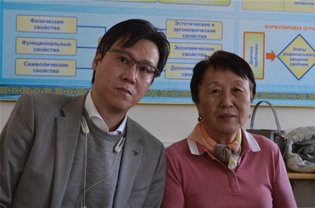
카자흐 세계언어대는 1993년 제2외국어로서의 한국어 강의 개설을 시작으로 1998년 동양어학과(학과장 박 넬리) 내 한국어전공을 설치하면서 서서히 한국학의 기반을 닦아 왔다. 2010년대 들어 한국학과로 개편된 이후 학생과 교원 수가 크게 증가하기 시작했고, 다양한 경시대회 및 학술대회를 개최하고 학술지와 소식지를 발행하면서 카자흐스탄을 넘어 중앙아시아의 주요 한국학기관으로 자리잡았다. 한국학과로 재편되기 전인 2011년까지 100명이 안 되던 학부전공생의 수가 기존의 어문학전공과 동양학전공 외에 통번역전공이 신설된 2013년부터 크게 증가하여 2019년 현재 308명에 달하며, 1-2명에 불과하던 대학원생도 15명 내외로 증가하였다. 제2외국어로 한국어를 수강하는 학생도 해마다 60-70명에 달한다. 교원은 2012년까지 한국국제협력단(KOICA) 봉사단원 3명을 포함해도 12명에 불과했으나, 현지에서 꾸준히 교원을 확보하여 20명까지 증원하였다. 2011년 한국국제협력단이 철수하면서 카자흐스탄의 각 대학들이 한국학 교원을 수급하는 데에 큰 어려움을 겪었으나, 카자흐 세계언어대는 비교적 대비가 되어 있었다고 볼 수 있다. 대부분의 교원이 언어와 문학 전공이었으나, 최근 역사, 문화, 통번역을 전공한 교원이 충원되고 있다.
2012년에 설립된 카자흐 세계언어대 한국학센터(소장 한 넬리 Nelly Khan)는 형식적인 기관에 머물지 않고 전임인력을 고용하여 체계적으로 운영되면서 중앙아시아 한국학이 지닌 문제들을 단계적으로 해결해 나가고 있다. 2012년부터 2015년까지 “연구체계 확립과 교육환경 개선을 통한 카자흐스탄 한국학의 확산”(연구책임자 박 넬리)을 주제로 씨앗형사업을 수행하였고, 그 성과를 기반으로 2015년부터 중앙아시아 최초로 한국학중앙연구원의 해외한국학 중핵대학육성사업에 선정되었다. “공존과 소통의 한국학: 중앙아시아 한국학의 가치 창출”(사업단장 박 넬리)을 주제로 다양한 연구사업을 진행 중이다.
한편, 중앙아시아 각국에서 공통적으로 드러나고 있는 한국학 교육 현장의 난제들을 함께 고민하고 발전 방향을 공동으로 모색하기 위해 2013년 중앙아시아 한국학교수협의회(이하 중앙아 한교협) 결성을 주도하였다. 이후 카자흐 세계언어대 한국학센터는 중앙아 한교협과 연계하여 중앙아시아 한국학학술대회 및 정기총회(연 1회), CIS 대학생 및 대학원생 한국학학술대회(연 1회) 개최, 경시대회 <중앙아시아 한국학올림피아드>(연 1회), <카자흐스탄 한국학올림피아드>(연 1회) 개최, 학술지 <중앙아시아 한국학교육>(연 1회), <카자흐스탄 한국학>(연 2회), CIS 대학생 한국학학술지(연 1회) 발간, 소식지 <중앙아시아 한국학네트워크>(연 2회), <카자흐스탄 한국학네트워크>(연 2회) 발행, 인터넷 홈페이지(http://canks.asia,http://kaznks.kz) 운영 등 한국학 관련 사업을 활발하게 진행하고 있다.
특히 2018년 11월에는 지난 20년의 성과를 정리하고 앞으로 한국학을 더욱 발전시켜 나가기 위해 고려대 한국어센터, 한국외대 중앙아시아연구소, 부산외대 CORE사업단, 한국국제교류재단, 한국학중앙연구원, 한국학진흥사업단 등 국내외 여러 대학 및 기관과 함께 한국학주간을 기획하였다. 한국학주간에는 한국학특강시리즈를 시작으로, 제4회 CIS 대학생 및 대학원생 한국학학술대회, 제9회 중앙아시아 한국학올림피아드, 축하공연, 총동문회 등 다양한 교육, 연구, 교류, 문화 행사가 개최되었다. 이 행사에는 카자흐스탄, 키르기스스탄, 우즈베키스탄, 러시아, 한국의 5개국 13개 도시 20개 대학에서 교원과 학생들이 참석하여 카자흐 세계언어대의 한국학 20주년을 함께 축하하였다.
이처럼 카자흐스탄을 비롯하여 중앙아시아 한국학은 내부적으로 여러 과제들을 안고 있으나, 카자흐 세계언어대 한국학센터는 국내외 교육 및 연구기관들, 중앙아시아 한국학교수협의회와 긴밀히 연계하여 다양한 연구 및 교육 사업을 진행함으로써 장기적인 차원에서 한국학의 내적 기반과 체질을 강화하는 데에 집중하였다. 앞으로도 한국에서 관련 기관들의 외적 지원이 꾸준히 이루어지고, 현지의 내적 활동이 어우러진다면 중앙아시아의 한국학이 안정적으로 성장해 나갈 것으로 기대한다.
Twenty Years of Korean Studies at Kazakh Ablai Khan University of
International Relations and World Languages
Nelly Pak (Director of the Core Program for Korean Studies)
Hojong Jang (Vice Director of the Core Program for Korean Studies)
The Korean Studies department (Department Head: Shirzat Kutulukov) of Kazakh Ablai Khan University of International Relations and World Languages (hereinafter Kazakh University of World Languages) consists of three majors: Language and Literature, Translation and Interpretation, and Asian Studies. The Language and Literature major, which is centered on Korean language and literature, currently has 136 students, and the Translation and Interpretation major, which seeks to train experts in translation and interpretation in Korean-Russia and Korean-Kazak, presently has eighty-nine students. The Asian Studies major seeks to train area studies scholars by offering classes on history, politics, and economics, etc., and currently has ninety-three students enrolled in the program. The department is also actively involved in exchanges with universities in Korea as forty to fifty students study abroad in Korea annually as part of exchange or dual degree programs. The staff of our department assisted in the production of the textbook our Korean language classes are using: Korean Language for the People of Kazakhstan (Sixth Edition, Korea Foundation, 2012). There are also ten Master’s Degree students and five Ph.D. students presently enrolled, and we plan to steadily increase the number of Ph.D. students thanks to scholarships made possible through the support of the Korea Foundation and the Academy of Korean Studies.
The Kazakh University of World Languages opened the first classes for Korean Language as a second language in 1993, and gradually a base for Korean Studies was laid with the introduction of a Korean Language major in the Asian Languages department (Department Head: Nelly Pak) in 1998. Following the reorganization that created the Korean Studies department, the number of students and staff increased rapidly in the 2010s. With the holding of a variety of competitions and academic conferences as well as publishing an academic journal and a newsletter, our university has become a hub for Korean Studies in Central Asia. Before the reshuffle that created the department in 2011 there were less than 100 students in the original undergraduate majors of Language and Literature and Asian Studies. But after the creation of the department and the opening of the Translation and Interpretation major in 2013, the number of students has exploded to reach 308 in 2019. And now there are fifteen graduate school students while before there were typically only one or two. And the number of students who select Korean as their second language is between sixty and seventy each year. In 2012, the number of staff members was twelve if you include the three volunteers from KOICA, but that number has steadily increased to the twenty staff members employed today. KOICA left the country in 2011 and the universities of Kazakhstan had a difficult time replacing the volunteers that left, but our university was relatively prepared for this situation. Most of the faculties are scholars of Korean Language or Literature, but recently we have been supplementing our staff with teachers of history, culture, and translation and interpretation.
The Center for Korean Studies of the Kazakh University of World Languages (Director: Nelly Khan) was founded in 2012 and is not a perfunctory institution; it is systematically operated by full-time staff and it seeks to solve the problems faced by Korean Studies scholars in Central Asia step-by-step. From 2012 to 2015, the Center for Korean Studies ran a Seed Program for Korean Studies project entitled “Expanding Korean Studies in Kazakhstan through Establishment of a Research System and Improving the Educational Environment” (Project Director: Nelly Pak), and based on the success of this project it is now implementing the first Core University Program for Korean Studies of the Academy of Korean Studies in Central Asia. The title of this new project, which began in 2015, is “A Korean Studies of Coexistence and Communication: Creating the Values of Korean Studies in Central Asia” (Project Director: Nelly Pak) and it includes a variety of research endeavors.
Meanwhile, the Center for Korean Studies led the effort to found the Council of Korean Studies Professors in Central Asia (hereinafter the Council of Professors) in 2013. This Council of Professors was created to help all jointly consider the dilemmas that confronted Korean Studies education in each Central Asian country and cooperatively devise paths of development. Later on the Koreans Studies Center of the Kazakh University of World Languages joined with the Council of Professors to actively operate the following Korean Studies-related projects: the Central Asia Conference on Korean Studies and a regular generally assembly (once annually); CIS Korean Studies Conference for Undergraduate and Graduate Students (once annually); academic competitions including the “Central Asian Korean Studies Olympiad” (once annually) and the “Kazakhstan Korean Studies Olympiad” (once annually); academic journals including The Journal of Central Asian Korean Studies Education (one issue per year) and The Kazakhstan Journal of Korean Studies (two issues per year), and the CIS Graduate School Journal of Korean Studies (one issue per year); newsletters entitled The Korean Studies Network of Central Asia (two issues per year) and the Korean Studies Network of Kazakhstan (two issues per year); and two websites (http://canks.asia and htttp://kaznks.kz).
To review the results of twenty years of Korean Studies at our university and to think about ways to develop in the future, we organized a Korea Studies Week in cooperation with the Korea University Korean Language Center, Hankuk University of Foreign Studies Institute of Central Asian Studies, Busan University of Foreign Studies CORE Project Group, the Korea Foundation, the Academy of Korean Studies, the Korean Studies Promotion Service, and other domestic and foreign universities and institutes. This Korean Studies Week included a variety of events including a special lecture series, the Fourth CIS Korean Studies Conference for Undergraduate and Graduate Students, the Ninth Central Asian Korean Studies Olympiad, a celebratory performance, an alumni gathering, as well as events on education, research, exchange, and culture. During this event, people from five countries—Kazakhstan, Kyrgyzstan, Uzbekistan, Russia, and Korea—as well as thirteen cities and twenty universities joined us to help celebrate twenty years of Korean Studies at the Kazakh University of World Languages. In this way, although the countries of Central Asia, including Kazakhstan, are dealing with some internal issues when it comes to Korean Studies, the Center for Korean Studies at the Kazakh University of World Languages is working closely with other domestic and foreign educational and research institutions as well as the Council of Korean Studies Professors in Central Asia and is focused on strengthening the internal foundation and constitution of Korean Studies in this region through implementation of various research and educational projects. In the future, if steady support from Korean institutions continues to work in harmony with the internal efforts, we expect Korean Studies to continue developing in Central Asia.
(Translated by Benjamin Engel)
-
글쓴날 : [19-03-15 17:36]
