-
성호 이익 연구의 토대를 구축하다
-
Creating a Foundation for Research on Seongho Iik
(한국학분야 토대연구지원사업, 2018, 성호전서(星湖全書) 정본화 사업 (Ⅲ), 연구책임자: 김만일, 청명문화재단)
김만일(태동고전연구소)
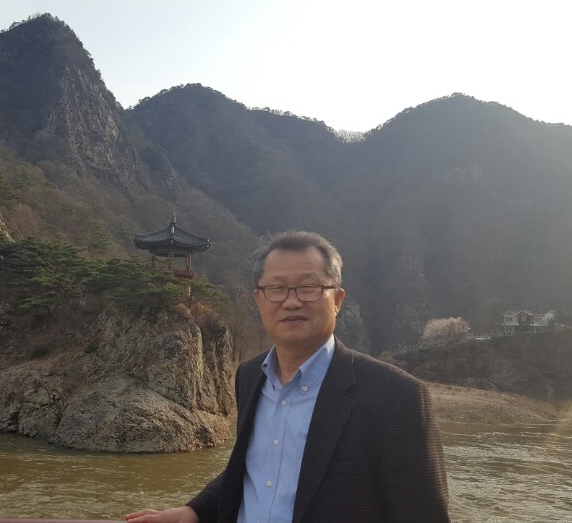
연구의 출발점이 되는 기본자료에 대한 검증과 정리 작업은 개별연구자가 해결할 수 없는 문제이다. 이에 태동고전연구소는 한국학중앙연구원 한국학진흥사업단의 지원을 받아 성호 이익 저술을 정본화 하는 사업을 추진하고 있다.
<성호전서 정본화 사업>은 세 단계의 과정을 거쳐 완성된다. 첫째, 판본을 조사ㆍ수집ㆍ정리하는 과정이다. <성호전서 정본화 사업>팀은 먼저 성호 저술 소장처를 한 곳 한 곳 방문하여 여러 이본(異本)을 수집하고 이들을 상호 대조ㆍ검토하여 정리하였다. 둘째, 교감ㆍ표점 과정이다. 수집된 많은 이본들은 상호 대조ㆍ검토하여 교감하는 절차를 거쳐 전산으로 입력된다. 전산본은 연구자의 편의를 위해 표점을 하였다. 셋째, DB화 과정이다. 앞선 두 과정을 거쳐서 만들어진 전산입력 자료는 DB화 하여 모든 연구자가 이용할 수 있도록 제공하게 된다.
성호 이익은 저술이 매우 방대하여, 본 연구팀은 <성호전서 정본화 사업>을 세 단계로 나누어 진행하고 있다. 1단계 3년(2011.12.1~2014.11.30)은 《성호질서(星湖疾書)》와 《예설유편(禮說類篇)》을 중심으로 진행되었고, 2단계 3년(2014.09.01~2017.08.31)은 《성호사설(星湖僿說)》을 중심으로 진행되었다. 3단계는 3년(2018.07.01~2021.06.30)은 《성호문집(星湖文集)》을 중심으로 정본화 사업이 추진 중이다.
<성호전서 정본화 사업>은 2단계 사업까지 완료되었고, 지난해(2018년) 7월부터 3단계 연구사업이 시작되었다. 지금까지 성과를 살펴보면, <1.2단계 사업> 판본 조사과정에서 《성호질서》류를 포함하여 모두 18종에 대해 총 91개의 필사본을 수집하였다. 이중에는 지금까지 학계에 알려지지 않았던 한국국학진흥원 소장 화경당(和敬堂) 본과 학사종택 소장 학사종택(鶴沙宗宅) 본이 포함되어 있다. 특히 규장각본 『소학질서』마지막 페이지에서 성호의 친필로 부기된 소학질서 저술에 관한 자료를 발견하였다. 화경당 본 《疾書》 일부에는 권 말에 필사자 이름이 ‘書寫吏 ○○○’의 형식으로 기록되어 있고, 학사종택 본에는 뒷 표지에 ‘논어질서는 기축년 11월에 필사를 마쳤다.’라는 기록이 있다. 이는 모두 판본 수집 및 조사 과정에서 발견한 것으로, 연구자들에게는 매우 귀중한 서지정보라 할 것이다. <성호전서 정본화 사업>팀은 판본조사 과정에서 발견한 모든 정보를 연구논문으로 작성하여 학술심포지움을 통해 학계에 보고하였다. 3단계 정본화 사업에서도 판본에 대한 조사는 계속되고 있다. 수집 정리된 판본에 대하여 교감ㆍ표점작업을 병행하고 있으며, 이를 전산 입력하여 2단계 까지 모두 200자 원고지 기준 24,201매, 총 2,210,472자의 자료를 생성하였다. 3단계 사업에서는 약 8,542매, 총 1,315,000자의 자료가 정리될 예정이다. 연구팀에서 이룬 연구성과는 연구자의 편의를 위하여 DB화 하여 한국학진흥사업단에 결과보고 하였고, 이 DB자료는 한국학진흥사업단 연구성과 포털사이트에서 현재 서비스 중이다.
<성호전서 정본화 사업>팀은 자료의 소장처를 직접 답사하면서 다양한 판본의 이미지 자료를 확보하였다. 현재 이 이미지 자료를 공개하여 연구자들이 직접 판본의 실제 형태를 확인할 수 있도록 할 방법을 모색하고 있다. 이 문제는 각 소장처의 협조가 필요한 문제이기도 하다. 또한 《정본 성호전서》를 도서로 출간하는 문제도 검토하고 있다.
태동고전연구소는 앞으로 많은 성호 연구자들에게 정본화된 성호 저술을 제공할 것이고, 이를 토대로 성호 연구가 더욱 활발하게 전개되기를 바란다. 우리 연구소는 <성호전서 정본화 사업>이 완료되는 대로 완성된 정본을 토대로 《질서》류를 비롯한 성호저작의 번역사업을 추진하려고 한다.
<규장각본 성호질서에 부기된 성호친필>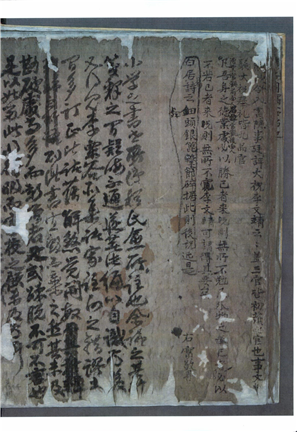
Creating a Foundation for Research on Seongho Iik
Kim Man Il (Director, TAEDONG INSTITUTE OF CLASSIC RESEARCH)
The Taedong Institute of Classic Research first undertook the translation of Seonghojilseoryu in the 1980s. As work began, we came to realize that not only were the writings of Seongho kept in various places both in Korea and abroad but also there were many access points to the contents depending on the book in question. Thus it was necessary to begin by organizing the various versions of the manuscripts before translation began. Currently, research on Seongho Iik is experiencing great growth and many studies are being produced. However, scholars cannot check for access to the books one by one and instead rely only on one or two photocopied editions. The work of Seongho Iik was photocopied and published by Yeogang Publishers under the title SeonghoJeonseo in 1984, and it was published in the Hankukmunjipchonggan series under the title Seonghojeonjip in 1997. Research on Seongho up to the present has mainly been done based on these two books.
Verification and organization of basic materials that comprise the foundation of research is not a task an individual researcher can accomplish. Therefore, the Taedong Institute of Class Research, with support from the Korean Studies Promotion Service of the Academy of Korean Studies, has undertaken a project to collect the original works of Seongho Iik.
The “Seongho(星湖) Yi Ik(李瀷) Standard Edition Project” is being completed in three stages. First is a process of surveying, collecting, and organizing the various versions of the manuscripts. The project team first visited each place where the works of Seongho are housed and collected the various versions of the texts. Afterwards these different versions were compared, checked, and organized. The second step was that of marking the distinctions in each manuscript. The differences in the various versions collected were reviewed and noted, after which they were entered into a computer system. The electronic copies were used for marking for the convenience of the researchers. The third stage was the creation of a database. The electronic files produced through the first two steps were entered into a database and free access was given so that all scholars could use the materials.Seongho Iik produced a massive amount of writings, and the research team has been proceeding in three phases. During the first three year phase (December 1, 2011 ~ November 30, 2014), the project mainly focused on Seonghojilseo and Yeseolryupyeon, and during the second three year stage (September 1, 2014 ~ August 31, 2017) focused on Seonghosaseol. A third three year phase (July 1, 2018 ~ June 30, 2021) has been concerned with collecting originals of Seonghomunjip.
The “Seongho(星湖) Yi Ik(李瀷) Standard Edition Project” has been completed up through the second phase, and the third phase began last July (2018). Taking a look at the results of this project so far, the survey process of the first and second phases has resulted in the collection of 91 manuscripts of a total of 18 different works including Seonghojilseo. Among these include manuscripts that were widely unknown in academia such as “Hwagyeongdang” which is in the possession of the Advanced Center for Korean Studies and “Haksajongtaek” which is housed by Haksajongtaek. An especially interesting manuscript was “Sohakjilseo” housed at Kyujanggak which has notes on the writing of this work written on the last page by Seongho himself. In part of the Hwagyeongdang manuscript at the end of a volume, the transcriber’s name is recorded in the format of “Transcriber ○○○” and on the back cover of the Haksajongtaek manuscript the following phrase is noted: “Noneojilseo was completed in the eleventh month of the gichuk year.” These details found during the collection and surveying process are precious bits of bibliographical information to researchers. These bits of information discovered during the surveying process by the project team were compiled into a research article and then presented at an academic symposium. This process of surveying the manuscripts is being continued during the third phase. With the parallel process of marking distinctions, electronic data has been created and through the second phase 24,201 pages (200 characters/page) or a total of 2,210,472 characters have been digitized. The third phase should add to this another 8,542 pages, or 1,315,000 characters. For the convenience of scholars, these files have been compiled into a database and a project report was given to the Korean Studies Promotion Service. The database can be accessed through the portal of the Korean Studies Promotion Service.The project team collected many image files of various manuscripts as they visited the institutions that were housing these documents. We are currently brainstorming ideas for how to share these images so that researchers can check on the actual state of the manuscripts. This issue also requires the cooperation of each institution holding the manuscripts. Also, we are also considering how to publish Jeongbon Seonghojeonseo as a book.
The Taedong Institute of Classic Research will continue to provide the collected works of Seongho to scholars and we hope this result in more active research on Seongho in the future. Our research institute also plans to work on a project to translate the works of Seongho, including Jilseo, upon completion of the “Seongho(星湖) Yi Ik(李瀷) Standard Edition Project.”(Picture above) A note in Seongho’s own handwriting on the Kyujanggak manuscript of Seonghojilseo
(Translated by Benjamin Engel)
-
글쓴날 : [19-03-12 15:49]
