• 한국의 경제발전 경험 공유와 새로운 미래지향적 관계의 모색 : 서부아프리카에서의 한국학, 코트디부아르 사례
  • Sharing Korea's Economic Development Experience and Seeking New Future-Oriented Relationships: Korean Studies in West Africa, the Case of the Ivory Coast


    (해외한국학 씨앗형 사업, 2016, (연구책임자) Assi Jose Carlos Kimou, 불어권 아프리카지역 한국학교육/연구 기반 구축사업: 코트디부아르를 중심으로, Universite Felix Houphouet-Boigny)   
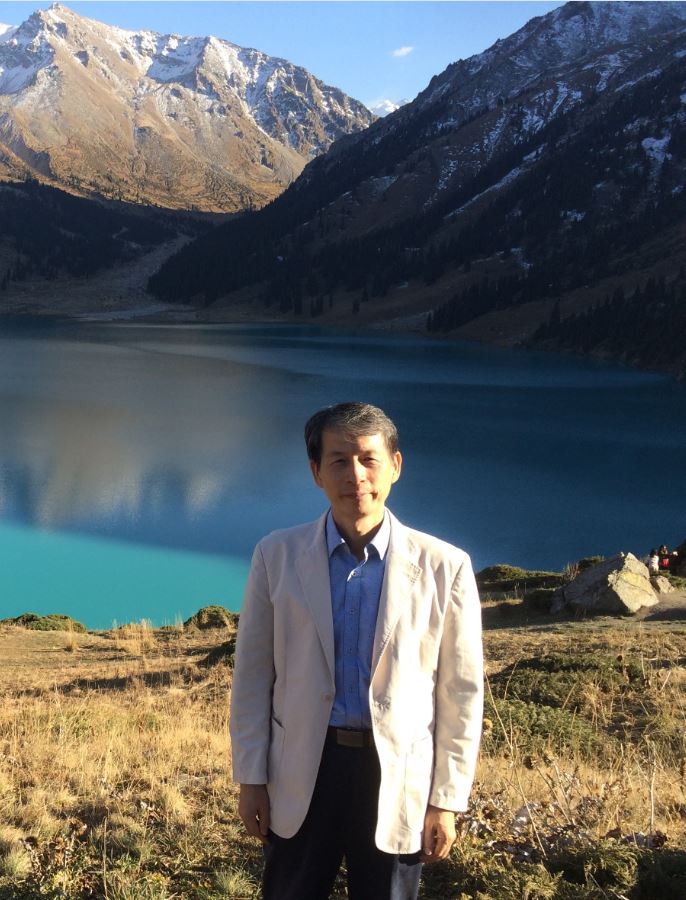


      펠릭스우푸에부아니대학교 경제경영대학

    황희영


    아프리카 서부에 위치한 코트디부아르는 1893년 프랑스에 의해 식민지가 되어 1960년 독립하였고, 한국과는 1961년에 외교관계를 수립했다. 독립 2년 전인 1958년, 당시 수도였던 아비장에 고등교육기관으로서는 최초로 의과대학이 설립되었고, 그 후 법대, 경제경영대 등이 설치되어 코코디아비장대학교가 되었다. 코트디부아르는 1999년 말 이후부터 두 번의 내전이 있었다. 그러나 2010년 말에서 2011년 초까지 세 번째 내전이 발생하여, 그 여파로 대학이 2년 동안 문을 닫는 아픔을 겪었다. 지금은 초대대통령의 이름을 따서 펠릭스우푸에부아니대학교로 개명되었다.

    우리 대학교는 2015년 한국국제교류재단으로부터 한국경제를 강의할 객원교수가 파견됨으로써 처음으로 한국학 강좌가 개설되었고, 2016년 10월 한국학중앙연구원 한국학진흥사업단의 해외한국학 씨앗형 사업에 선정되었다. 동 사업의 재정지원에 힘입어 2017년 5월 경제경영대학 대학원 석사과정에 학생 15명 정원으로 한국학 전공과정이 시작되었다. 전임교원은 7명으로 한국인 3명(경제학 1명, 한국어 2명), 현지인 4명(경제학 3명, 경영학 1명)이 있다. 학사 체계는 학기제로서 2년제(4학기) 과정이며, 총 이수학점은 연수학점을 포함하여 120학점이다.

    우리 대학의 씨앗형 사업의 연구주제는 "혁신과 구조적 변환: 한국과 서부아프리카 비교"인데, 본 주제의 취지는 한국의 개발경험을 아프리카와 공유하고자 하는 것이다. 서부아프리카의 국가들은 현재 세계에서 가장 소득이 낮고 인간계발지수가 낮은, 공교롭게 다수가 프랑스어가 공용어인 국가 그룹에 속한다. 가난과 질병, 그리고 지도자들의 부패를 숙명처럼 지고 살아가는 사람들과 함께 장기적인 관점에서 산업화 전략을 새롭게 세우고 기업 경영 능력을 제고하기 위한 방법을 모색하고자 하는 것이다.

    교과과정은 영역별로 한국어, 한국의 역사와 문화, 한국경제, 그리고 한국기업경영 등으로 나누어지는데, 학생들이 학부과정에서 한국어를 배운 적이 없기 때문에 본 석사과정에서 한국어 기초를 전공과정과 같이 병행하여 배운다. 한국경제 및 경영 과목은 대부분 부교수 이상의 교원이 담당하는 반면, 한국어 교육을 코이카의 자원봉사자에 의존하고 있다.

    연구 측면에서는 앞서 밝힌 주제로 현재까지 총 7회의 세미나를 실시했는데, 우리가 하려는 한국학 연구의 주요 관심사가 무엇인지 일반 학생들이 알 정도로 각인이 되었다. 이제는 학생들이 초보적인 질문에서 벗어나 진지하게 코트디부아르의 맥락에서 한국의 발전 경험을 어떻게 적용할 수 있는지에 대해 묻고 있다. 또한 역설적으로 지난 내전 이후 학교가 연구 방면으로는 황폐하게 되다시피 한 가운데, 씨앗형 사업 한국학 세미나가 유일하게 정기 세미나로 자리 잡았다.

    이제는 본 세미나가 나아가 부르키나파소, 가나, 나이지리아, 세네갈 등과 같은 서부 아프리카 국가들의 연구자들을 한데 묶는 것을 계획하고 있다. 이렇게 함으로써 젊은 학자들이 식민지적 전통 하에 답습된 것에서 탈피하여 서부아프리카 발전의 새로운 모델에 대해 진지하게 모색할 수 있는 기회를 가질 것이다.

    우리 대학의 씨앗형 사업 한국학은 한국과 아프리카 간 비교연구를 중요하게 여기는데 그것은 서로에게서 배울 수 있기 때문이다. 연구를 수행하면서 발견하게 된 흥미로운 연구 분야는 한국-아프리카 간 intercultural management이다. 아프리카에 정착한 한국인 경영자들을 만나면서 그 중 절대 다수가 문화적 차이로 인해 곤란을 겪는 것을 알게 된 것에서 시작되었다. 아프리카의 독특한 공동체 중심의 문화는 현대기업경영과의 접목에서 시간관념, 효율성, 동기부여 등에 관해 독특한 점이 많고, 또한 한국인은 부족문화를 경험하지 못해 우리에게는 도전 과제라고 할 수 있다.

    재학생은 모두 장학생이고 매월 약 100달러 정도의 금액을 받는데, 소수에게 많은 장학금을 주어 동기부여를 하기보다 적더라도 전원에게 나누어 주어 공동체적 연대감을 가지는 것이 더 중요하다는 사실을 깨달았다. 이 정도의 금액은 학생들이 기숙사비를 지불하고, 검소한 식사와 아울러 과외 아르바이트를 하지 않고 공부에 전념할 수 있는 최소 금액이라고 할 수 있다. 또 지금까지 재학생 15명 중 9명이 한국을 방문할 수 있었다.

    이러한 물적 기초 위에 학생들의 교육에 관한 당면 과제는 연구 능력을 최대한으로 높여 미래의 한국학 연구자, 교수 혹은 전문가로서 정착하는 것이다. 하지만 지금 당장은 겨우 한국학을 시작한 터라 교육과 연구의 기초를 하나씩 놓고 있는 중이다.

    지난 10월 3일~5일 카자흐스탄 알마티에서 개최된 해외한국학 씨앗형 사업 협의회 발표대회에서 한국학의 정의에 대해 많은 참석자들이 관심을 보였다. 한국학을 단순히 한국에 관한 학문이라고 할 수도 있겠지만, 우리는 보다 진지하게 21세기 들어 국제사회에서 지도력을 가지게 된 한국이 앞으로 세계의 모든 국가와 어떻게 서로 소통하고, 호혜적이고 우호적인 관계 맺기를 할 것인지에 대해 기본 지침이 되는 학문적 체계를 만드는 것이 한국학이라고 본다.

    그런 관점에서 보면 서부아프리카의 한국학은 최빈국 사람들과의 관계 맺기이다. 같은 피식민지 경험을 가진 민족으로서, 또 가난에서 벗어나 발전된 국가로 도약한 경험을 가진 나라로서, 아프리카에 대해 인정 많고 나누어주기를 좋아하고, 돌보고 섬길 줄 아는 동반자가 되어야 한다고 생각한다. 그렇게 될 것이라는 꿈을 가지고, 이 씨앗형 사업이 장래에 큰 열매를 맺기를 기원한다.


    Sharing Korea’s Economic Development Experience and Seeking New Future-Oriented Relationships: Korean Studies in West Africa, the Case of the Ivory Coast


    Hwang Hee-Young

    (University of Felix Houphouet Boigny, Department of Economics and Business Administration)


    Located in West Africa, the Ivory Coast became a colony of France in 1893 and gained its independence in the 1960s, establishing diplomatic relations with South Korea in 1961. Two years before independence in 1958 in the then-capital of Abidjan, the Abidjan Center for Higher Education was founded with the country’s first medical school. Later a law school and department for economics and business administration would be added to form the University of Abidjan-Cocody. Beginning in the latter half of 1999, the country would experience two civil wars. A third civil war raged from the late 2010 to early 2011, forcing the university to close for two years. The university has since been renamed the University of Felix Houphouet Boigny, taking on the name of the first president of the Ivory Coast.

    The university’s first class on Korean Studies was opened in 2015 when a visiting professor was sent by the Korea Foundation to lecture on Korean economic development, and in October 2016 the university was selected to join the Academy of Korean Studies’ Seed Program for Korean Studies. Thanks to the financial support of this program, a master’s program in Korean Studies which accepted fifteen students was started within the School of Economics and Business Administration in May 2017. Among the seven full-time professors, three are Korean (one economist and two Korean language professors) and four are natives of the Ivory Coast (three economists and one professor of business administration). The undergraduate degree program is two years long (four semesters) and requires 120 credits hours, including credit hours earned through classes at other institutions.

    The research topic of our university’s Seed Program for Korean Studies is “Innovation and Structural Change: Comparing Korea and West Africa,” and the aim of this project is to share Korea’s development experience with Africa. The countries of West Africa rank among the lowest in the world in income and the Human Development Index, and coincidentally most people share a common language in French. The aim is to find a long-term way to provide a new strategy for industrialization and boost the ability to manage companies in cooperation with the people of this region, who are struggling to live in a situation filled with poverty, illness, and corrupt leaders.

    The curriculum is divided by subject into Korean language, Korean history and culture, Korean economic development, and Korean business management, and because students did not have experience learning Korean during their undergraduate studies, elementary-level Korean classes are provided as part of the master’s degree program. Associate professors are mainly charged with teaching the subjects of Korean economic development and business management while Korean language classes are provided by volunteers from KOICA.

    In terms of research, a total of seven seminars have been held on the subject introduced above, and by now all students are familiar with the main focuses of our Korean Studies research. Now the students are moving beyond basic questions and starting to ask in earnest about how Korea’s development experience can be applied to the context of the Ivory Coast. Sadly, due to the previous civil war which devastated the research being done at the university, the seminars of the
    Seed Program for Korean Studies project are the only long-term seminar series currently operating.

    Now we are planning to expand these seminars and bring researchers from Burkina Faso, Ghana, Nigeria, Senegal, and other West Africa countries together in one place. In this way, the young scholars of the region will have the chance to discard the colonial traditions they had been imitating and earnestly seek a new development model for West Africa.

    Our research under the Seed Program for Korean Studies emphasizes comparative research between Korea and Africa because it helps us to learn from one another. An interesting field of research which we discovered as our research progressed is intercultural management between Korea and Africa. This started from meeting with Korean businesspersons staying in Africa and learning that a very high percentage of them had encountered difficulties due to cultural differences. Africa’s unique community-centered culture creates many unusual issues with modern business management with regards to the conception of time, efficiency, and motivation, etc. Koreans also have no experience with tribalism thus creating many challenges.

    All enrolled students receive a scholarship and each month they receive about USD $100. We found that rather than giving larger scholarships to a few students to motivate them to study hard, creating solidarity among the community of students by providing a small amount of money to everyone was more important. Students are able to pay for the dormitory with this amount of money, and if they are frugal with their meal expenses, this amount will allow them to focus on their studies without doing part-time tutoring or other jobs. Furthermore, out of the fifteen enrolled students, nine were able to visit Korea.

    With this material base, the most pressing issue for the students regarding education is to improve their research abilities and find a position as a Korean Studies researcher, professor, or expert. However, since this is barely the start of Korean Studies in the region, we are just putting in place the basics of education and research at the moment.

    At the Seed Program for Korean Studies Conference in Almaty, Kazakhstan from October 3 to October 5, 2018, many participants were interested in the definition of Korean Studies. While it could be simply stated that Korean Studies is the study of all things related to Korea, we see Korean Studies in the twenty-first century as the basic guiding principle for a scholarly system
    that seeks to find a way for Korea, which has taken a leadership role in international society, to communicate and create reciprocal and friendly relations with all the countries of the world.

    From that viewpoint, Korean Studies in West Africa is building a relationship with the people of the poorest nations of the world. As a people who have also suffered from colonialism, and as a country that has leapt out of poverty through economic development, I believe Korea needs to become a partner which recognizes, enjoys sharing with, and knows how to care for Africa. I have a dream that this will be realized, and I expect that this Seed Program for Korean Studies project will produce great results in the future. (Translated by Benjamin A. Engel)


  • 글쓴날 : [18-10-24 14:01]
    • ksps 기자[akssje@aks.ac.kr]
    • 다른기사보기 ksps 기자의 다른기사보기