-
Emerging Korea and Korean Studies in India and South Asia
-
(인도와 남아시아: 부상하는 한국과 한국학)
Emerging Korea and Korean Studies in India and South Asia
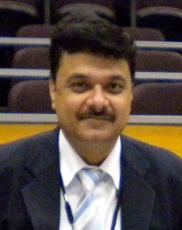
Dr. Ravikesh (Jawaharlal Nehru University)
India as one of the major countries in South Asia has witnessed a significant surge in the demand for the experts of Korean language, literature and culture. Similarly in other neighboring countries like Sri Lanka, Bangladesh, Myanmar and Nepal, there has been a marked growth in demand of experts owing to the rapid growth in bilateral relation in the diverse area of trade and commerce between Korea and these South Asian countries. This has led to an upsurge in the number of institutions, government and private both, offering courses on Korean Studies.
India
The history of the Korean language and Studies Programme at JNU dates back to the early 1970s, wherein Korean language was offered at Certificate level. An awareness and interest was developed regarding Korean language with the Indian government’s open economic policy during 1990s which attracted huge inflow of FDIs from Korean Chaebols like Daewoo, Samsung, LG and Hyundi Motors. It was in 1995 that the Bachelor’s Degree Program w s instituted and in 1998 it was elevated to the Master’s level. The M.Phil/Ph.D Program in Korean language was started in 2013 making it the only institution in South Asia that offers a Bachelor’s, Master’s and M.Phil/Ph.D. Degree in Korean Language (offered by School of Language, literature and Culture Studies), and M.Phil/Ph.D. in Koran Studies (School of International Studies). Since then, the Centre has significantly contributed in academic research and has actively engaged itself in teaching Korean language, literature and Culture. Over 500 students have grduated since 1995 with a Bachelor’s Degree in Korean language and about one third that number with a Master’s Degree and almost all of them have got a placement in prestigious institutes and companies.
Apart from JNU, there are also other reputed institutions in the country which are offering courses Korean languge namely Delhi University (DU), English and Foreign Languages University (EFLU), Central University of Jharkhand (CUJ), Manipur University, Magadh University, Jamia Millia Islamia University, King Sejong Institute, Korean Cultural Centre supported by Korean Government and few private institutions like Amity University, Inko Centre where Certificate/Diploma/Advanced Diploma level courses are offered. The Department of East Asian Studies (CEAS) at DU has been offering Certificate, Diploma, Advance diploma courses in Korean language since 2001 with only 1 permanent and few guest faculty who teach Korean in Colleges affiliated to DU. The CEAS also of ers M.Phil./ Ph.D. courses in Korean Studies. The Department of Languages at CUJ offers Certificate courses in Korean Language with 2 permanent faculties. At EFLU, it is the Asian Languages department under which the Korean language course at the certificate level is being offered with 2 permanent faculty members. At the Central University of Jharkhand, the Centre for Far East Languages offers a courses in Korean language including a one year PG Diploma course and a six months certificate course. Recently Jamia Millia Islamia University has started Certificate course in Korean with one Visiting Professor supported by Korea Foundation. Indira Ganghi National Open University (IGNOU) is another eminent distance learning Centre which is planning to offer Certificate course in Korean in distance learning mode from August 2018 while JNU plans to offer Certificate course in Korean in online mode from July 2019.
Korean Studies in South Asia[1]
Other countries in South Asia have also realized the importance of Korean language owing to the growing presence of Korean Companies and improving bilateral relationship with Korea in the recent times.
Sri Lanka
Currently Korean language programmes are offered at 3 major universities in Sri Lanka. Among them, Kelaniya University is the only institution to conduct Korean language as a major subject for Bachelor’s degree (General), while the remaining two universities offer auxiliary or certificate courses. The Centre for Korean Studies at the University of Kelaniya began in 1997 with a two year certificate course with the help of the Korea International Cooperation Agency (KOICA). In 2003-04, the Centre was established with the introduction of Bachelor of Arts (General) Degree Program. By 2015, it became the first institute to integrate research, education, and promotion of Korean language studies in Sri Lanka.
Buddhist and Pali University (BPU) is another budding instituion of Korean Studies which began teaching Korean language in 2011. It stared its Korean language course as a one-year certificate course, one-year advanced certificate course and Auxiliary courses for first year and third year students. At present, there is a one permanent local lecturer, one visiting lecturer and one Korean native lecturer dispatched through Korea International Cooperation Agency (KOICA).
According to the National Institute of Education (NIE) in Sri Lanka, currently there are 47 secondary schools, where Sri Lankan students can learn Korean as an elective subject for their Ordinary Level (GCE O/L) exam, and the number of schools will increase in the future. In addition, nearly 20 technical colleges and King Sejong Institute also offer Korean language courses. The above-mentioned institutions mainly conduct Korean courses for the students with academic goals.
Open University is the oldest university to teach Korean language in Sri Lanka which stared its Korean language courses in 1993. The language courses offered at basic level and the intermediate level with 1 Korean faculty.
There are also another public and private institutions which provides short term courses aimed at EPS-TOPIK. Mainly the Sri Lanka Bureau of Foreign Employment (SLBFE) runs Korean language courses for those who wish to obtain the Employment Permit System. In addition to the basic Korean language classes, some Technical collages also provide short-term courses for the EPS-TOPIK examination.
Bangladesh
Korean language education was started in Bangladesh with the help of government of Korea in 1993. It was started with opening learning Korean language only in 6 institutions namely Central extension resources development, DYD (Bogra center), Central cattle breeding station and dairy firm, DPHE, Horticulture development center, BADC and BCSIR with KOICA volunteers.
Institute of Modern Languages (IML) at the University of Dhaka was the first institution in Bangladesh where Korean language teaching was formally started. At present, it has been offering 4 yearly certificate courses for Korean language namely Junior, Senior, and Diploma and Higher Diploma course with a total 149 students.
Among 30 Foreign Language Training Centre (FLTC) around the country, Korean language courses were offered by 9 FLTCs since 2010 to 2016. Bangladesh Korea Technical training center (BKTTC) and German Technical training center (GTTC) are another two major institutions conducting the Korean language programme for more than two decades. Since 2007 Korean language started to be widely known around the country after signing the MOU between two countries regarding Employment Permit System (EPS).
Myanmar
There are two major institutions Yangon University of Foreign Languages (YUFL) and Mandalay University of Foreign Languages (MUFL) in Myanmar which offers courses on Korean Studies. The Korean Department at YUFL was first established in the Institute of Foreign Languages in 1993 and subsequently MUFL started Korean Courses in 2001 due to the growing popularity of Hallyu in Myanmar. At present YUFL offers 8 type of courses of Korean which includes Certificate, Diploma (part time/ full time), B.A., M.A. The total number of students opted for these courses are more than 900 with 18 faculty members (including the 4 native Korean faculty sent by KOICA). The department is soon going to start Ph.D. course from the next semester. The department plans to start a Certificate program in Translation and Interpretation. It also plans to offer joint Master's Degree Program with Hallim University, Korea.
Nepal
In Nepal, Kathmandu University and Tribhuvan University are one of the major academic institutions where basic level Korean language courses are being offered. KOICA has been sending Korean language teachers to Kathmandu University since 2010. Majority of the Korean language learners in Nepal aim to work in Korea under the Employment Permit System (EPS) of the Korean Government.
AKS Core University Project at JNURecognizing the potential and prospects of Korean Studies in India and South Asia, the Centre for Korean Studies (CKS) at JNU was awarded AKS Core University project in 2016 titled "Emerging Korea and Korean Studies in India and South Asia: Comparative and Inter-Disciplinary Approaches” to act as a hub of Korean Studies in the region. This five year ambitious project intends to look at cultural, social, historical and literary aspects of Korean society in modern times. This inter-disciplinary and inter-cultural project involves a series of seminars and symposia, fellowship programs for graduate students, a new nativised Korean Studies text book series along with e-content development and other strategic plans for networking and publication. This project consists of 6 Core faculty members along with 19 participating members from several different academic departments/schools representing social sciences, humanities and other disciplines from within India, Sri Lanka, Bangladesh, Nepal and Myanmar. The project aims at promoting awareness regarding various aspects of Korea amongst the students and academicians who are engaged in Korean Studies. It also intends to involve students and academicians from other departments in order to make it inter disciplinary.
Objective of the Project
Demand for Korean Studies in India is growing at a phenomenal rate but there is a serious lacuna in the availability of Indian experts as well as nativised material on Korean Studies for generating interest as well as bridging the gap between demand and supply.
The proposed project aims to boost Korean Studies with holistic approach in the region that is centered around the key factors: the teachers (their efficiency through training), the students (through fellowships and seminars), the study materials (through the nativised textbooks), the learning environment (through improved infrastructure) and the cutting edge Technology (through the e-content).
Thus this comprehensive project would create more efficient manpower and also optimize the existing one, develop nativised teaching material, groom young competent scholars who will become the future resource person and contribute towards promotion and development of Korean Studies in India. Through the regular seminars, meetings and Workshops, it is expected to provide the platform for networking of all those scholars and students engaged in Korean and related subjects and create a network for mutual cooperation and exchanges. The proposed nativised e-content will have far reaching effects in spreading the reach and scope of Korean Studies in India. With the given advantage of head start in the field, CKS is ideally placed to undertake this role of becoming a Korean Studies hub for the South Asian region.
Programmes and Progress in the Project1. Development of Manpower
The program intends to offer research fellowships and Research Assistantship. It also aims at engaging the staffs appointed under AKS Grant in various Research activities. According to the proposed plan, it was decided to recruit research Assistant which has been successfully done in the academic year. Research Fellowships have been granted to three students of Master and PhD Programmes.
2. Establishment of a Regular Series of Seminars & Workshops
The program aims to organize two National and International seminars as well as two workshops in a year in various Institutions of Korean Studies that are located in India, Sri Lanka, Bangladesh, Nepal, Myanmar and other South Asian Countries. In the academic year 2017-2018, two Young Researchers’ Seminar and two International seminars (1 in Nepal) has been successfully concluded.
3.Development of Curriculum Materials and Research PublicationsThe program intends to focus on designing Nativised Textbook on: Korean History; Korean Culture and Korean Literature and develop e-content on Korean History, Korean Culture and Korean Literature. It will also undertake translation work of major Korean texts into languages like Hindi and English. The project aims at fostering research publications by the Faculty every year in a peer-reviewed journal.
4. Fellowship for the Students of Korean Studies
Under this program, AKS Post Graduate and Doctoral fellowships are awarded annually to the meritorious students of Korean Studies from JNU.
5. Expand JNU’s Role in the Consortium of Korean Studies Centers
This project intends to create a network through regular International/ National Seminars, Workshops and Meetings with the scholars of neighboring countries.
6. Formation of Research Forums for Promotion of Korean Studies in India and South Asia
At JNU, apart from the various degree courses, special attention is also given to provide further agency to the students to foster greater Indo-Korean ties. In 2016, the Centre inaugurated the “Priya Korea club” and in 2017 the “Mugunghwa Journal of Interdisciplinary Korean Studies (MUJIKS) to foster cultural and academic cooperation among the scholars of Korean Studies.
7. Publish Papers Emerging from the Seminars and Conferences
The papers presented in the seminars and conferences encompass various aspects related to Korean Studies and are in the process of publication.Conclusion
Korean Studies in India and South Asia has increased significantly over the past couple of years and expected to see a further growth in the coming years. The major changes can be seen in the way universities have expanded their Korean language teaching courses from being merely certificate courses to that of degree courses. There are common challenges faced by the faculty like lack of financial aids, teaching staff, proper infrastructure, nativised textbooks, trained teachers, research orientation and motivation level of the learners etc. There is a conscious attempt by the Korean language teachers to develop nativised Korean texts in order to optimize the learning experience. The Hallyu has also followed an ever increasing graph and kept up a healthy interest alive about Korean culture among the people of the South Asian region. However, the reason for South Asia's growing interest in Korean language and culture is not limited to the rising popularity of hallyu in the region but also because of the expansion of trade relations and a shared cultural bonding between these countries. This is especially true in the case of India, which shares common historical, cultural and political experience with Korea and is bound to reach new heights in the time to come.
There is a noticeable bloom in research and learning of Korean language, literature and culture in South Asia especially countries like India, Sri Lanka, Bangladesh, Nepal and Myanmar. Various Centres/ departments and institutes of Korean studies were set up in late 90s, in these countries. In Myanmar, the Korean department was first established in 1993 which provided a platform for language training and other research activities related to Korean language and culture. The department has shown a significant growth in the teaching and learning process and has contributed to various researches related to linguistics, literature and Korean culture. Similarly, government of Bangladesh and Nepal with the help of Korea has successfully established institutes that offer courses on Korean language. The countries have also engaged in various academic research and program related to Korea. Sri Lanka like other countries mentioned above has taken various initiatives to promote researches related to Korean language and literature and has assiduously engaged in teaching the Korean language in Korean departments present in the country. Though the numbers of institutions offering or planning to offer Korean language courses are increasing, there are also some institutions in India like Kolkata University or the Central University of Jharkhand which had to discontinue the Korean language courses recently due to non-availability of sufficient teachers or funds to support the program.
It is hoped that the academic endeavors of the faculty from Indian and South Asian Universities will collectively bring about qualitative and quantitative changes towards promotion of Korean Studies in the region.
[1] Based upon the data inputs provided by the representatives of each institution.
인도와 남아시아: 부상하는 한국과 한국학
라비케쉬 박사
(자와할랄 네루 대학교)
남아시아의 대표적인 국가 중 하나인 인도에서는 한국 언어와 문학, 문화 전문가에 대한 수요가 급증해 왔다. 스리랑카, 방글라데시, 미얀마, 네팔과 같은 이웃 나라에서도 다양한 분야에서 한국과 무역과 통상 교류가 괄목할 정도로 성장했다. 이러한 변화에 따라 한국학 수업을 제공하는 공공기관 및 사기업이 늘어났다.
인도
자와할랄 네루 대학교의 한국어와 한국학 프로그램의 역사는 한국어 수료증을 수여하기 시작한 1970년대 초반으로 거슬러 올라간다. 1990년대 인도 정부의 개방적 경제 정책이 대우, 삼성, 엘지, 현대자동차와 같은 한국 재벌의 대규모 해외직접투자 (Foreign Direct Investment)를 유치하면서 한국어에 대한 관심이 높아졌다. 1995년에 학사과정 프로그램으로 시작해서 1998년에는 석사학위 수여기관으로 승격되었다. 2013년부터는 한국어 문학석사 및 박사학위를 수여하기 시작하여 남아시아에서는 유일하게 (School of Language, Literature and Culture Studies 소속) 한국어 학사, 석사, 연구석사 및 박사학위와 (국제학부 소속) 한국학 연구석사 및 박사학위를 수여하는 기관이 되었다. 그 후로 자와할랄 네루 대학교의 한국학 센터는 한국의 언어와 문학 그리고 문화 관련 학술 연구와 교육에 크게 기여해 왔다. 1995년 이후 500명 이상이 한국어 학사학위를 받았고, 그 삼분의 일 정도의 학생이 석사학위를 마쳤다. 대부분의 졸업생들이 유력 기관과 회사에 자리를 잡았다.
자와할랄 네루 대학교 이외에도 델리 대학교(Delhi University, DU), 영어-외국어 대학교(English and Foreign Languages University, EFLU), 자르칸드 중앙대학교(Central University of Jharkhand, CUJ), 마니푸르 대학교(Manipur University), 마가다 대학교(Magadh University), 자미아 밀리아 아일라미아 대학교(Jamia Millia Islamia University), 세종학원, 한국 정부가 지원하는 한국문화센터 등에서 한국어를 가르치며, 아미티 대학교(Amity University)와 인코센터(Inko Centre)와 같은 사립 기관에서 다양한 수준의 프로그램(Certificate/Diploma/Advanced Diploma)을 제공한다. 델리 대학교의 동아시아학부는 2001년부터 한 명의 전임교수와 몇몇 방문교수진을 통해 한국어를 가르치며 자격증과 디플로마(준학사급)와 고급 디플로마를 수여하고, 한국학으로 연구석사와 박사학위를 수여한다. 자르칸드 중앙대학교의 언어학과는 두 명의 전임교원을 두고 한국어 자격증 과정을 개설하고 있다. 영어-외국어 대학교는 아시아언어학과에 한국어 과정을 개설하여 두 명의 전임 교원이 자격증 과정을 가르치고 있다. 자르칸드 중앙대학교의 극동언어센터에는 한국어 관련 1년 과정의 PG Diploma(Postgraduate Diploma)와 6개월 과정의 자격증 수업이 개설되어 있다. 최근 자미아 밀리아 아일라미아 대학교는 한국국제교류재단(Korea Foundation)의 지원을 받아 한 명의 방문교수를 두고 자격증 과정을 시작했다. 인디라 간디 국립개방대학교(Indira Gandhi National Open University, IGNOU)는 2018년 8월부터 한국어 자격증 과정을 원격으로 제공할 예정이며, 자와할랄 네루 대학교에서는 2019년 7월부터 한국어 자격증 온라인 과정을 계획하고 있다.
남아시아의 한국학*
최근 한국 기업의 경제적 진출과 한국과의 관계 개선에 따라 남아시아의 다른 국가에서도 한국어의 중요성을 인식하기 시작하였다.
스리랑카
현재 스리랑카에서 한국어 프로그램을 제공하고 있는 곳은 세 곳이다. 그 중 켈라니야 대학교(University of Kelaniya)만이 한국어를 학사과정 전공과목으로 가르치고 있으며, 다른 두 곳에서는 부전공(auxiliary) 혹은 자격증 과목으로 개설하고 있다. 켈라니아 대학교의 한국학센터는 한국국제협력단(KOICA)의 지원으로 1997년부터 2년제 자격증 과정을 시작하였다. 2003~2004년에는 학사과정을 개설하였다. 2015년에 이르러서는 한국어 연구와 교육 그리고 진흥을 통괄하는 첫 기관이 되었다.
팔리불교대학교(Buddhist and Pali University, BPU)는 2011년부터 한국어를 가르치기 시작한 한국학의 또 다른 신진기관이다. 1년제 한국어 자격증 과정과 1년제 고급 자격증 과정, 그리고 1년차와 3년차 학생들을 위한 부전공 과정으로 시작했다. 현재 한 명의 현지 전임 강사와 방문 강사, 그리고 한국국제교류단을 통해 파견된 한국인 강사 한 명이 있다.
스리랑카 국립교육재단(National Institute of Education, NIE)에 따르면, 스리랑카에서 학생들이 고등학교 및 대학교 입학시험(Ordinary Level exam)을 위한 선택과목으로 한국어를 배울 수 있는 곳은 총 47개 학교이며, 그 수는 더욱 증가할 것으로 보고 있다. 기술대학 약 스무 군데와 세종학당도 한국어 과정을 제공한다. 위에서 언급한 기관들은 대부분 학술적 목적으로 학생들에게 한국어를 가르친다.
개방대학교(Open University)는 1993년에 한국어 과정을 개설한 가장 오래된 학교이다. 한 명의 한국인 교원이 기초와 중급을 가르치고 있다.
이외에도 고용허가제 한국어능력시험(EPS-TOPIK)을 목표로 단기 과정을 개설하고 있는 공립 기관과 사립 기관이 있다. 주로 스리랑카 해외고용국(Bureau of Foreign Employment, SLBFE)에서 고용허가 취득 희망자를 대상으로 한국어 과정을 운영하고 있다. 일부 기술대학에서는 기초 한국어 과정 외에도 고용허가제 한국어능력시험을 위한 단기과정을 제공한다.
방글라데시
방글라데시의 한국어 교육은 1993년 한국 정부의 지원으로 시작되었다. 초기에는 중앙확장자원개발(Central Extension Resources Development), 청년개발부서(Department of Youth Development, DYD, Bogra center), 중앙육종장 및 유제품 제조기업, 공중보건공학부(Department of Public Health Engineering, DPHE), 원예개발센터, 방글라데시 농업개발공사(Bangladesh Agricultural Development Corporation, BADC), 방글라데시 과학산업연구소(Bangladesh Council of Scientific and Industrial Research, BCSIR) 등에서 한국국제협력단 자원봉사자들의 도움으로 시작되었다.
다카대학교(University of Dhaka)의 현대언어연구소(Institute of Modern Languages, IML)는 방글라데시 최초로 한국어 교육을 정식으로 시작한 기관이다. 지금까지 3년차와 4년차 학부생 및 디플로마와 고급 디플로마 과정의 총 149명 학생에게 4년제 자격증 과정을 제공해 왔다.
2010년부터 2016년까지 전국의 30개 외국어 훈련 센터(Foreign Language Training Centre, FLTC) 중 9개 센터에서 한국어 수업을 개설했다. 방글라데시 한국 기술 훈련 센터(Bangladesh Korea Technical training center, BKTTC)와 독일 기술 훈련 센터(German Technical training center, GTTC)는 20년 이상 한국어 프로그램을 운영하는 주요 기관이다. 2007년 양국 간 고용허가제에 대한 양해각서(MOU)가 체결되면서 한국어에 대한 국가적 인식이 높아졌다.
미얀마
미얀마에는 두 곳의 주요 기관인 양곤외국어대학교(Yangon University of Foreign Languages, YUFL)와 만달레이 외국어대학교(Mandalay University of Foreign Languages, MUFL)에 한국학 과정 수업이 개설되어 있다. 양곤외대의 한국학과는 1993년 외국어연구소 내에 처음 설립되었으며, 만달레이외대에서는 한류 열풍 확산에 힘입어 2001년에 한국어 수업을 시작하였다. 현재 양곤외대는 자격증, 디플로마(시간제/전일제), 학사, 석사 과정을 포함하여 총 8개 과정을 제공하고 있다. 총 학생 수 900명 이상이며, 한국국제협력단에서 파견한 네 명의 한국어 교원을 포함해 총 교원 수는 18명이다. 다음 학기부터 박사과정이 개설된다. 양곤외대 한국어학과는 통번역사 자격증 프로그램을 시작할 계획이다. 또한 한국의 한림대학교와 연합 석사 과정 프로그램을 계획하고 있다.
네팔
네팔에서는 주요 학술기관인 카트만두대학교(Kathmandu University)와 트리부반대학교(Tribhuvan University) 두 곳에서 한국어 기초 과정을 개설하고 있다. 한국국제협력단은 2010년부터 한국어 교사를 카트만두대학교에 파견하고 있다. 대부분의 학생들이 한국 정부의 고용허가제에 따라 한국에서의 취업을 목표로 한국어를 배우고 있다.
자와할랄 네루 대학교의 한국학중앙연구원 한국학진흥사업단 해외한국학 중핵대학 육성사업
인도와 남아시아에서의 한국학 연구의 잠재성과 가능성에 기반해 2016년에 자와할라 네루 대학교의 “인도와 남아시아에서 부상하는 한국과 한국학: 비교, 학제간 접근” 프로젝트가 2016년 한국학중앙연구원 한국학진흥사업단의 해외한국학 중핵대학 육성사업에 선정되었다. 이 야심찬 5년 프로젝트는 현대 한국 사회의 문화적, 사회적, 역사적 그리고 문학적 측면을 비판적으로 연구하는 것을 목표로 한다. 이 학제간, 문화간 프로젝트는 세미나와 심포지엄, 대학생 장학금 프로그램, 현지 실정에 맞는 새로운 한국학 교재 개발과 e-콘텐츠 개발 외에도 연계망 구축과 출판을 포함한다. 이 프로젝트는 인도, 스리랑카, 방글라데시, 네팔, 미얀마의 대학과 학과에서 사회과학과 인문학, 다른 전공을 대표하는 6명의 핵심 교수들과 19명의 연구 인력이 참여한다. 이 프로젝트는 한국학과 관련된 학생들과 학자들 사이에 한국의 다양한 분야에 대한 인식과 지식의 증진을 목표로 한다. 또한 학제간 연구를 위해 다른 학과의 학생과 연구자를 참여하도록 할 예정이다.
프로젝트의 목표
인도에서 한국학에 대한 수요는 놀랄만한 수준으로 성장하고 있지만 흥미를 유발하고 수요와 공급 간의 틈을 이어줄 가용한 인도 전문가 인력과 현지 실정에 맞는 한국학 교재는 심각한 공백 상태에 있다.
우리가 제안한 프로젝트는 교사(훈련을 통한 효율성), 학생(장학금과 세미나), 공부 자료(현지 실정에 맞는 교과서), 학습 환경(인프라 개선)과 최첨단 기술(e-콘텐츠) 등의 핵심 요소들을 중심으로 총체적 접근법으로 한국학을 활성화시키고자 한다.
그러므로 이 포괄적인 프로젝트는 보다 유능한 인적자원을 창출하고 기존의 것을 최적화하며 현지 실정에 맞는 교수 자료를 개발하고 젊고 유능한 신진학자들을 기르며 인도의 한국학 진흥과 발전에 공헌하고자 한다. 정기 세미나와 모임, 워크숍을 통해 한국학 및 관련 주제에 몸담고 있는 학자와 학생들을 위한 연계 기반을 제공하고 상호 협력과 교류를 위한 연결망을 창출하리라 기대한다. 이 프로젝트가 제시한 현지 실정에 맞는 e-콘텐츠는 인도 내 한국학의 수준을 높이고 폭을 넓히는 데 큰 영향을 끼칠 것이다. 한국학 분야를 선도적으로 시작한 이점을 가진 자와할랄 네루 대학교의 한국학 센터는 남아시아 지역에서 한국학의 중심지가 될 수 있는 이상적인 위치에 있다.
프로젝트 프로그램과 경과
1) 인적자원 개발
이 프로젝트의 프로그램은 연구 장학금과 연구조교 자리를 제공하는 것을 목표로 한다. 또한 한국학중앙연구원의 지원으로 고용된 인력이 다양한 연구 활동에 참가하도록 한다. 연구계획에 따라 이번 학년도 연구 조교를 성공적으로 채용했다. 연구 장학금은 석사와 박사 과정생 3명이 받았다.
2) 정기 세미나와 워크숍 도입
이 프로그램은 국내 및 국제 세미나와 2차례의 워크숍을 조직하여 연내에 인도와 스리랑카, 방글라데시, 네팔, 미얀마와 다른 남아시아 국가에 위치한 한국학 기관에서 개최하는 것을 목표로 한다. 2017~2018학년도에는 두 차례의 신진학자 세미나와 두 차례의 국제 세미나(1회는 네팔에서 개최)가 성공적으로 개최되었다.
3) 커리큘럼 자료 개발과 연구 출판
이 프로그램은 한국 역사, 한국 문화, 한국 문학과 관련하여 현지 실정에 맞는 한국어 교재를 만드는 데 중점을 두고 한국 역사, 한국 문화, 한국 문학에 대한 e-컨텐츠를 개발하고자 한다. 또한 주요 한국어 교재를 힌디어와 영어 등의 언어로 번역할 계획이다. 이 프로젝트는 동료 전문 심사(peer-reviewed)를 하는 학술지에 교수 연구진이 연구 결과를 매년 출판하도록 장려한다.
4) 한국학 학생을 위한 장학금
이 프로그램에서는 자와할랄 네루 대학교의 우수한 한국학 학생들에게 매년 AKS 대학원 과정 및 박사과정 장학금을 수여한다.
5) 세계 한국학연구소 컨소시엄 내 자와할랄 네루 대학교의 역할 확대
이 프로젝트는 이웃 국가의 학자들과 정기적인 국제 및 국내 세미나와 워크숍, 모임을 통해 네트워크를 구축하고자 한다.
6) 인도와 남아시아 내 한국학 증진을 위한 연구 포럼 구성
자와할랄 네루 대학교에서는 여러 학위 과정 외에도 인도-한국 간 관계를 증진할 수 있는 더 많은 기관을 학생들에게 제공하는 데 각별한 관심을 가지고 있다. 한국학센터는 한국학자들 사이의 문화적, 학문적 협력을 증진시키고자 “프리야 한국 클럽(Priya Korea club)”과 “학제간 한국학 연구를 위한 무궁화 학술지 (Mugunghwa Journal of Interdisciplinary Korean Studies, MUJIKS)를 2016년과 2017년에 출범시켰다.
7) 세미나와 학술회의 발표 논문 출판
세미나와 학회에서 발표된 논문들은 한국학과 관련된 제 분야를 망라하며, 현재 출판 준비 중이다.
결론
인도와 남아시아의 한국학은 지난 몇 년간 괄목할 만한 성장을 이루었으며, 향후에 더욱 발전할 것으로 기대된다. 주요 변화 중 하나는 대학의 한국어 교육이 단순한 자격증 과정에서 학위 과정으로 확장된 것이다. 인도와 남아시아의 한국학 기관들이 직면한 공통된 문제로는 재정 지원, 교수 인력, 적절한 기반시설, 현지 실정에 맞는 교재, 훈련된 한국어 교수, 학생들의 학술연구와 동기의 부족 등이다. 한국어 교수진들이 학생들의 학습 경험을 최적화하기 위해 현지 실정에 맞는 한국어 교재를 개발하는 등 의식적 노력을 기울이고 있다. 한류 열기도 정점에 달하여 남아시아 지역의 많은 사람들이 한국 문화에 대한 관심을 보이고 있다. 그러나 남아시아 지역의 한국어와 문화에 대한 관심의 증가는 단순히 지역 내 한류 열풍 때문만이 아니라 한국과의 무역 확장과 문화적 유사성에 기인한다. 특히 인도의 경우 한국과 역사, 문화, 정치적 경험을 공유하기 때문에 곧 새로운 전성기에 도달할 것이다.
남아시아, 특히 인도, 스리랑카, 방글라데시, 네팔 그리고 미얀마와 같은 국가에서 한국의 언어와 문학, 문화에 대한 연구와 교육이 괄목할 만한 성장을 보이고 있다. 이 나라들에서 한국학과 관련된 다양한 센터와 학과, 기관이 1990년대 후반에 설립되었다. 미얀마에서 한국어 학과는 1993년에 최초로 설립되어 한국어 훈련 및 한국 언어와 문화에 관련된 다양한 연구 활동을 위한 기반을 제공하였다. 이 학과는 교수법과 학습 과정에서 상당한 성장을 이루었으며 한국 언어와 문학, 문화와 관련된 다양한 연구에 공헌했다. 마찬가지로 방글라데시와 네팔 정부는 한국의 도움을 받아 한국어 과정을 제공하는 기관을 성공적으로 설립하였다. 이 국가들은 한국과 관련된 다양한 학술연구와 프로그램에 참여해 왔다. 이미 언급한 다른 나라들처럼 스리랑카 역시 한국의 언어와 문학과 관련된 연구를 활성화하는 데 앞장서 왔으며, 국내에 개설된 한국어 학과에서 한국어를 열성적으로 가르쳤다. 한국어를 가르치거나 앞으로 가르칠 계획을 하고 있는 기관의 숫자는 점차 증가하고 있지만, 인도의 콜카타 대학교와 자르칸드 중앙대학교와 같은 기관에서는 교원 및 프로그램 재정지원 부족으로 최근 한국어 과정을 중단했다.
인도와 남아시아 대학 교수진의 공동의 학문적 노력이 이 지역에서 한국학 증진을 위한 질적, 양적 변화를 가져올 것으로 기대한다.
(번역: Hwa Yeong Wang)
* 각 기관의 대표가 제공한 자료에 기반하였음.
-
글쓴날 : [18-06-22 10:08]
