-
일본의 한국학 연구의 과거, 현재와 도쿄대학교 한국학연구센터가 지향할 미래
-
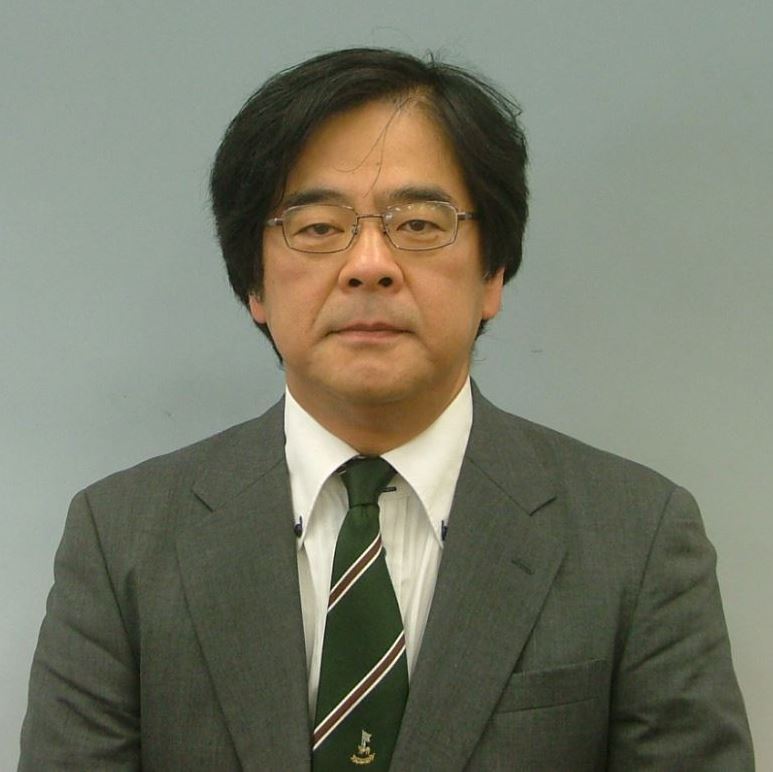
해외한국학 중핵대학 육성사업|글로벌 지역연구 속의 한국학의 '전개력 강화'와 '전학적인 신진연구자 육성사업 전개'|기미야 다다시(木宮正史)|2014.9.1-2019.8.31
기미야 다다시(센터장), 나가사와 유쿄(특임강사)
(도쿄대학교 한국학연구센터)
머리말
사실은 필자가 다른 국가나 지역의 한국 연구의 현황을 들으면서 가장 느끼는 것은 부럽다는 것이었다. 왜냐하면 그것들은 제로부터 시작해 앞으로 발전될 수밖에 없는 상황이어서 그다지 비관적으로 생각할 필요가 없기 때문이다. 그런데 일본에서의 한국학 연구는 그다지 낙관적으로만 생각할 수 없는 숙명을 지니고 있다. 그것을 지금의 수준으로 보면 연구라고 볼 수 있는 것인지 의심스럽지마는 그래도 한때는 동시대적으로 보면 세계에서 가장 앞섰다고 볼 수 있는 일본의 한국학 연구라는 어떻게 보면 화려한 역사를 가지고 있었으나 지금은 그러한 화려한 역사를 연상시키지 못하는 상황이 되어 버렸다는 것이다. 물론 어떻게 보면 일본과 한국과의 관계의 변화에 따라 그렇게 될 수밖에 없었던 것이기도 하나 그래도 과연 일본의 한국학 연구는 과거의 유산을 살리면서도 또한 과거의 잘못을 되풀이되지 않도록 하고 있는 것인지 의심스럽기 때문이다. 또한 지금 한국과 일본이 처한 상황 하에서는 일본의 한반도 지역연구나 한국학 연구의 수요가 높아졌음에도 불구하고 과연 그러한 중요한 연구가 공급되어 있는지 자신 있게 말씀드리기가 어렵기 때문이다.
이하 일본의 한국학의 현주소를 역사적 조건에 초점을 맞춤으로써 논의하고자 한다. 그것은 우리가 직면하는 고민들을 공유하게 해주고 싶기 때문이다. 물론 이것은 일본만 직면하는 특수성뿐이라고 비판받을지 모르지만 그래도 공유하게 해주신다면 아주 감사하게 생각한다. 그 다음에 우리 도쿄대학교에서 이 사업을 어떻게 구상하고 지금까지 전개해 왔는지를 소개하고자 한다.
1. 세계 속 일본의 한국학 연구의 비교우위와 그 상실먼저 일본의 한국학 연구는 아무래도 다른 지역의 한국학 연구에 비해 비교우위를 지니고 있었다는 것을 부정하지 못할 것이다. 이것은 지리적으로 인접하다는 것, 또한 지정학적으로도 안보를 위해 서로가 중요했기 때문에 관심을 기울일 수밖에 없었기 때문이다. 물론 식민지 시대의 한국학 연구는 어디까지나 지배자의 시각에 입각한 연구였다는 것은 유의해야 한다. 그럼에도 불구하고 그러한 시기에 한일 간에 강제적인 측면도 있었으나 인적 왕래나 교류가 있었다는 것은 전후 일본의 한국학 연구가 특히 박경식이나 강재언, 강덕상 등의 재일 한국인 학자들에 의해 전개되어 왔다는 것에 잘 나타나고 있다고 본다. 또한 일본의 한국학 연구는 언어의 유사성에서도 비교우위를 찾을 수 있을 것이다. 서로 가장 배우기 쉬운 외국어가 일본인으로서는 한국어이며 한국인으로서는 일본어라는 것은 지금도 부인할 수 없을 것이다. 이와 같이 공유하는 역사나 유사한 언어 때문에 전전(戰前)은 물론 제2차 세계 대전 직후도 일본의 한국학 연구는 세계적 수준을 유지해 왔다. 또한 한국의 권위주의 체제하에서 특히 사회과학적 한국학 연구가 자유롭지 못했다는 것도 옆에 있는 일본의 한국학 연구가 할 수 있었던 또한 해야 했던 일들이 많았다는 것을 잘 보여준다. 한국에서의 자유로운 한국학 연구를 발전시킬 수 없었던 1980년대 중반까지는 그러한 비교우위를 간신히 지니고 있었다고 본다.
그런데 문제는 이와 같은 비교우위에 안주한 나머지 그 이면에서는 그것을 발전시킬 기회를 놓치고만 측면도 없지는 않았다. 첫째로, 한국의 민주화에 따라 한국에서의 한국학 연구가 비약적으로 발전되었는데 일본의 한국학 연구는 그때까지의 비교우위에 안주하면서 그러한 한국에서의 새로운 한국학 연구를 잘 배우지 못했다는 것이다. 또한 한국의 세계화에 따라 한국의 역사적 경험에 관한 관심이 높아짐에 따라 세계적으로 한국학 연구가 활발하게 되었는데 그러한 연구에 대해서도 그다지 진지하게 배우지 못했다는 것이다. 그러한 폐쇄적인 일본 일국에서만 통용할 수 있었던 특수한 한국학 연구가 다른 경쟁자가 없었기 때문인지 마침내 세계적 수준을 유지할 수 있었다는 자신감을 잃어버렸다는 것이다.
2. 지역연구 속에서 일본의 한국학 연구의 위상
또한 일본의 한국학 연구는 다른 지역에 관한 지역연구와 경쟁해야 되는 상황에 놓이게 되었다. 돌이켜 보면 일본의 한국학 연구는 물론 그것을 주도했던 재일한국인 학자들이 한국어를 구사할 줄 알았다는 것은 당연하지만 나머지는 지역연구의 기본이라고도 할 수 있는 한국어 운용능력도 없이 한국연구를 한다는 연구자들도 없지는 않았다. 그것은 일본에서의 다른 지역에 관한 연구자들로부터 보면 있을 수 없는 일이었으나 일본의 한국학 연구는 공유하는 역사에 입각하는 특수성 때문인지 한국어를 이해하지 않은 한국학 연구가 어느 정도 허용되어 왔다는 것이다. 일본의 지역연구 중에서는 그러한 일본의 한국학 연구는 지역연구에 기본조차 갖추지 못했다고 비판받는 경우도 있었다는 것이다. 따라서 다른 지역연구에게는 우수한 많은 인재들이 참여하게 되었으나 그에 비하면 한국학 연구는 그렇지 못했다는 것은 솔직하게 고백해야 한다.
사실 필자는 지금 도쿄대학교의 지역연구학과에서 한국학 연구를 맡고 있으나 그만큼 우수한 도쿄대학교 학생들이 좀 더 많이 한국학에 관심을 기울였으면 하는 마음을 가지고 있으나 우리들의 노력이 부족한 탓인지 그다지 반응이 좋지 않다. 일본에서 한때 "한류"가 한참 인기가 있었을 때 다른 사립 대학교에서는 한국어 수업의 수강자가 급속히 늘어났다는 이야기를 많이 들었다. 그런데 도쿄대학교에서는 한국어를 제2외국어로 선택하는 신입생들이 그다지 늘어나지 않았다고 한다. 이 문제에 관해서 우리들도 여러 가지 생각해 봤으나 역시 도쿄대학교 학생들은 다른 대학교 학생들에 비해 구미지향이 강하다는 것에 그 원인을 찾을 수 있지 않을까 생각한다. 본인들의 생각도 그렇고 더구나 부모님들의 영향도 커서 대학교에서는 불어나 독일어와 같은 유럽 언어를 배워야 한다는 것이 도쿄대학교 학생들 대부분의 상식인 것 같다.
적어도 일본으로서는 한국이라는 존재가 너무나 가깝기 때문인지 여러 지역연구 중에서 그다지 매력적이지 못했기 때문인지 우수하고 문제의식이 풍부한 학생들을 한국학 연구에 끌어들이지 못했다는 것은 사실이다. 우리들은 그러한 학생들을 더 많이 끌어들기 위한 노력을 해야 한다고 본다. 그것을 위해서는 한국이 이웃이기 때문에 관심을 기울여야 한다는 것뿐만 아니라 한국 또는 한반도를 지역연구로서 체계적으로 연구하는 것이 얼마나 지적 매력을 느낄 수 있는지를 잘 보여줘야 한다고 본다.
지금 일본의 사회과학에서는 한일비교연구가 활발하게 전개되고 있다. 일본인 학자들과 한국인 학자들이 서로 전문적 지식을 가지면서 상호 보완적으로 공동연구를 전개하는 경우가 많다. 이것은 바람직한 현상이라고 봐야 할 것이다. 그럼에도 불구하고 이것은 일본의 한국학 연구로서는 위기라고도 볼 수 있다. 서로 협력하고 보완만 하면 그 나라에 관한 심층적 이해가 없어도 비교연구가 가능하다고 보여지기 때문이다. 그러한 비교연구도 의미가 없는 것은 아니지만 지역연구 또한 한국학 연구를 바탕으로 하는 비교연구가 훨씬 깊은 함의를 가질 수 있다고 생각한다.
그것을 위해서라도 좀 더 우수한 인재들을 한국학 연구에 끌어들여야 하며 나아가서 일본의 한국학 연구를 일본이라는 좁은 시장에만 갇혀 있는 것이 아니라 세계적인 한국학 연구와 경쟁할 수 있도록 만들어야 한다고 본다. 지금까지는 일본의 한국학 연구는 그래도 일본이라는 얼마만큼의 시장규모를 지니는 장소에서만 주로 전개되어 왔다. 그것은 그러한 연구 성과는 거의 대부분 일본어로만 발표되어 왔다는 것에 잘 나타나고 있다. 그러한 한계를 극복함으로써 한국학 연구를 통해 세계적 연구로서 평가받을 수 있도록 해야 우수한 인재들을 한국학 연구에 끌어들일 수 있지 않을까 생각한다.
또한 일본의 한국학 연구를 어떤 의미에서 촉진시키면서도 제약해 온 것은 한일관계를 둘러싼 무거운 현실이기도 하다. 먼저 일본의 한국학 연구는 냉전기에는 냉전으로 인한 정치적 제약을 크게 받아 왔다. 남북한 둘 중 어느 쪽을 지지하느냐 하는 것은 한국학 연구가 피하기 어려웠던 하나의 갈림길이었다. 그러한 무거운 분위기 속에서는 지적 매력을 느끼기 전에 자신의 정치적 입장을 고백해야 하는 어려운 처지에 놓이게 되었다는 것이다. 또한 최근 위안부 문제를 비롯한 역사문제나 영토문제로 인해 갈등이 일상화되는 한일관계 속에서는 한국을 비교의 대상으로 삼는 정도는 좋지만 한국 그 자체를 본격적 연구대상으로 삼는 한국학 연구에 본격적으로 임하기 위해서는 지적 관심 이외의 부분에서 인내심도 필요하기 때문이다.
3. 한국학 연구의 보편적 지적 매력
필자는 이와 같은 일본의 한국학 연구가 직면하는 어려움을 이겨내기 위해서는 아무래도 한국이 겪었던 역사적 경험이 지니는 지적 흥미를 강조해 둘 필요가 있다고 본다. 한국이 일본의 이웃나라이고 일본으로서 중요하기 때문에 한국을 연구할 필요가 있다는 것도 중요하지만 그것보다는 한국의 역사적 경험이 가지는 지적 매력을 강조함으로써 그것이 가지는 특수성뿐만 아니라 보편적 의미도 같이 담아서 연구 과제를 제시하는 것이 유익하다고 본다.
예컨대 식민지를 경험했으나 탈 식민지화되면서 개발도상국으로서 출발했음에도 불구하고 이만큼 빨리 경제를 발전시키면서 선진국까지 되었다는 역사적 경험이 가지는 특수성과 그 보편적 의미를 찾는 지적 작업의 중요성은 아무리 강조해도 지나치지 않을 것이다. 또한 한국의 민주화에 관해서도 마찬가지다. 한국의 민주화는 일본과 같이 외부세력에 의한 점령으로 인해서 이뤄졌다는 것과 달리 한국의 민주화는 한국 국내의 힘으로 이루어 냈다고 볼 수 있다. 그렇지만 미국의 대한반도 정책을 비롯한 국제적 힘과는 무관하게 이뤄졌다는 것도 아니다. 그러한 측면에서 한국의 민주화 경험은 한국학 연구에 입각한 한국의 특수성과 민주화 연구라는 보편적 문제의식과도 크게 관련이 있는 중요한 과제라고 볼 수 있다. 또한 남북관계에 관해서도 1960년대까지만 해도 북한이 남한을 앞서 있었으나 그후 점차 남한이 북한을 역전하기 시작했으며 지금은 남북체제 경쟁에서 일단 결착이 났다고 볼 수 있을 것이다. 그런데 이와 같이 체제경쟁에서의 역전 현상이 왜 그리고 어떻게 일어났는지 이와 같은 한국 경험도 현대의 국제정치경제의 구조 자체를 생각할 때 매우 의미 있고 매력적 과제를 제시해줄 수 있다고 본다. 우리들이 해야 될 것은 이와 같은 한국의 역사적 경험이 가지는 지적 매력을 느끼게 만듦으로써 우수한 인재들을 한국학 연구에 끌어들이는 것이라고 생각한다. 다시 말하면 한국학 연구는 한국이라는 나라나 지역에 관한 연구뿐만 아니라 그것을 통해 인류가 직면하는 보편적 과제를 다루기 위해서도 매우 유익한 분야라는 것을 강조해야 한다는 것이다.
또한 이와 같은 한국학 연구는 실제로 지금 우리들이 직면하는 현실 속에서도 매우 필요성이 높아지고 있다는 것도 강조해 둘 필요가 있을 것이다. 냉전기의 한일관계는 한국이 반공의 보루로서 일본으로서 중요하고 한국도 근대화를 이루어내기 위해서는 일본의 협력이 필요하다는 서로의 이해가 일치했기 때문에 그만큼 관계가 유지되어 왔다. 다시 말하면 한일관계는 비대칭적이고 상호보완적인 관계였다. 따라서 한일 사이에 문제가 있었음에도 불구하고 그것을 어떻게 보면 봉인해 왔다고 볼 수 있을 것이다. 그런데 상황은 극적으로 달라졌다.
남북 체제경쟁이라는 한반도 냉전체제는 남한의 승리로 이미 끝났다. 그럼에도 불구하고 그것은 남한 주도의 통일로 이어지지 않았으며 오히려 통일을 막아내고 자기체제의 생존을 노리는 북한의 핵미사일을 개발하려는 전략 때문에 오히려 한국은 주도권을 뺏기고 말았다. 한반도 정세는 매우 불투명하고 불안정하다.
또한 한일관계도 극적으로 달라졌다. 한마디로 말하면 비대칭적이고 상호보완적 관계로부터 대칭적이고도 상호 경쟁적 관계로의 변화이다. 필자는 한일관계의 구조변화를 다음의 네 가지로 본다. 첫째, 한일 간의 힘의 수평화이다. 이것은 한국의 발전에 따른 결과이다. 둘째, 민주주의와 시장경제라는 정치경제의 기본적 가치관의 공유라는 현상이다. 그런데 이와 같은 체제가치관에 관한 한일 간의 균질화는 민주적 평화(democratic peace)라는 논의가 시사해 주는 바와는 달리 한일 간의 갈등을 오히려 격화시키는 측면도 가져 왔다. 예컨대 민주주의라는 개념에 관해서도 일본은 그것을 절차적 측면을 강조하는 데 반해 한국은 정의 실현이라는 실질적 측면을 강조한다. 이것은 역사문제를 둘러싼 한일 간 갈등이 배후에 있기 때문이라고 본다. 셋째, 한일관계의 다양화와 다층화이다. 이것은 정치경제에 집중했던 한일관계가 사회 문화라는 다양한 영역으로까지 넓어지는 데 나타났으며 또한 정계나 재계에 한정되어 있었던 관계가 시민사회의 관계로까지 넓어졌다는 데 잘 나타나고 있다. 그런데 이와 같은 관계는 한편으로는 관계를 두텁게 할 수 있으나 다른 한편으로는 관리하기가 어려운 측면도 없지는 않다. 넷째로, 한일관계의 쌍방향화이다. 냉전기는 비대칭적 관계였다는 것도 있어서 가치나 정보의 흐름은 거의 일방적으로 일본으로부터 한국으로 가는 것이었다. 그만큼 한국에서의 일본에 대한 관심이 높았는데 한국에 대한 일본의 관심은 그다지 높지 않았다. 그런데 현재는 일본에 대한 한국의 관심은 상대적으로 낮아지는 것이며 거꾸로 한국에 대한 일본의 관심은 높아지고 있으며 서로의 관심이 균형을 잡았다는 것이다. 따라서 정보나 가치의 흐름에 관해서는 쌍방향으로 균형이 잡히고 있다는 것이다.
이와 같은 대칭적이고 상호 경쟁적 한일관계는 관리를 잘하면 유익한 관계로 만들 수 있을지 모르지만 관리를 잘 못하면 갈등이 심한 관계가 될 위험성도 있을 것이다. 그런데 우리 한국과 일본이 처해 있는 상황은 그다지 한일 사이의 문제에만 매달릴 수 있는 것은 아니라는 것도 엄연한 현실이다. 당장 북핵 위기에 대해 상대적으로 이해를 공유하는 것은 한국과 일본이다. 또한 커지는 대국 중국에 대해 그와 어떻게 공존해 나갈 수 있는가라는 문제에 관해서도 한국과 일본의 협력이 반드시 필요하다. 또한 지금 트럼프정부와 같은 매우 불투명한 미국과의 동맹관계를 공유하는 한일양국이 대미동맹을 어떻게 관리하느냐 하는 문제도 협력이 필요한 부분이다.
이와 같은 상황 하에서는 필자는 일본의 한국학 연구의 수준을 높여야 한다는 것은 아무리 강조해도 지나치지 않는다고 본다. 지적 매력을 호소함으로써 한국학 연구에 우수한 인재들을 끌어들임으로써 이와 같은 서로의 생존을 위해 매우 중요한 과제에 대한 협력을 뒷받침할 수 있는 기초를 만들어야 한다는 사명감을 가지고 있다.
4. 도쿄대학교 한국학연구센터의 과업
마지막으로 그러한 일본의 한국학 연구가 직면하는 어려움을 극복함으로써 매력 있는 한국학 연구를 개척해 나가기 위해서 우리 도쿄대학교가 다루고 있는 사업에 관해 간단하게 소개하고자 한다. 목표는 일본이 지니는 비교우위를 살리면서도 한국이나 해외의 한국학 연구 성과를 진지하게 흡수함으로써 세계 수준의 한국학 연구를 다시 탈환하기 위해서는 여하튼 다른 지역연구와의 경쟁관계 속에서 우수한 인재들을 끌어들이는 것이다. 그것을 위해서는 한국학 연구를 전공하는 학부생이나 대학원생을 위해 사회과학적 방법 또는 역사학의 기본을 가르치려고 한다. 그것을 위해서 하는 것은 한국학 연구에 직접 도움을 주는 사회과학적 방법이나 역사학 방법에 입각해 한국학 연구를 하는 일본의 대표적 연구자들을 모시고 대학원과 학부 수업을 맡기고 있다. 그리고 다른 지역연구와의 경쟁관계를 의식함으로써 다른 지역연구와의 비교를 염두에 두면서 서로의 교류를 활발하게 전개함으로써 경쟁력이 있는 지역연구로서의 한국학 연구를 지향하고자 한다. 또한 우리 부단장인 토노무라(外村) 교수가 일본에서 대표적인 재일 한국인 및 역사를 전공하는 연구자이며 대학원생들도 그것을 주제로 연구하는 학생들이 도쿄대에 비교적으로 많다. 또한 일본에서의 독특한 한국학 연구 분야라는 측면도 있어서 재일 한국인 연구도 하나의 중점목표로 설정하고자 한다.
실제로 최근에는 문학으로부터 보는 일본의 식민통치라는 국제회의를 열었으며 이것은 한국의 TV나 신문에서도 소개되면서 호평을 받았다. 또한 한반도 냉전사 연구회도 열고 일본에서의 한반도 냉전사 연구의 현주소를 점검함으로써 또 다른 지역의 냉전사 연구와의 비교를 하려고 한다. 이와 같이 대학원 교육이라는 이 사업의 중점목표와 관련해 동북아역사재단이나 일본의 학진 자금 등을 매칭 펀드(matching fund) 해서 두 달에 한번 정도 연구회나 국제회의를 운용하고 있다. 특히 젊은 연구자들에게 발표기회를 제공함으로써 차세대 한국학 연구자들의 육성에 힘을 다하고 있다.
그 성과로서 가시적인 것은 지금까지 우리 한국학 연구소는 지역연구기구 속에 아시아 지역 연구센터 산하 기관으로서 한국학 연구부문으로 설정되어 있었으나 우리들의 활동이 인정받음으로써 독립적으로 한국학연구센터로 격상되었다는 것은 아주 좋은 소식이다.
구체적으로 하는 것은 위와 같은 연구회나 국제회의의 개최를 빼고는 주로 한국학 전공 대학원생들 위한 지원 사업이다. 주로 세 가지 지원 사업을 진행하고 있다. 하나는 한국학 대학원생들을 대상으로 하는 사회과학방법론이나 역사학 방법론에 관한 수업이나 fieldwork에 관한 교육활동이다. 한국의 외교사료관, 국사편찬위원회, 국립기록원을 찾아 사료검색에 관한 fieldwork를 하고 있다. 둘째는, 대학원생들이 국내 또는 해외에서 자료조사를 할 수 있도록 하기 위한 연구조성사업이다. 물론 주로는 한국에서의 자료조사이지만 그뿐만 아니라 일본 국내의 자료조사나 동유럽이나 미국, 중국에서의 자료조사도 지원하고 있다. 이에 따라 좋은 석사논문뿐만 아니라 박사논문도 배출되고 있다. 셋째로, 일본은 미국이나 다른 나라들과는 달리 정부나 학교에 의한 본격적인 Post Doc사업이 제도적으로 없는 경우가 많다. 따라서 우리들은 한국학 전공 신진학자육성사업의 일환으로 도쿄대학에 제출한 한국학과 관련된 박사논문을 출판하기 위한 조성사업을 하고 있다. 1년에 2권 정도의 우수한 박사논문을 선정함으로써 출판을 위해 필요한 비용을 조성해 왔다. 과거 4년에 걸쳐 모두 9권의 책을 출판하기로 결정했으며 그 중 지금 6권의 책이 출판되었다. 다른 나라들도 그렇겠지만 일본도 출판 사정이 좋지 않아 출판하기가 어려운 사정 하에서 이와 같은 출판조성은 젊은 연구자들의 호평을 받고 있다. 그 결과 출판된 책이 화제가 되어 다른 연구회에서 독서회가 개최되기도 했다. 출판 조성금 및 대학원연구조성은 대학 공식 홈페이지를 통해 공모를 하고, 응모서류는 우리 사업단 교수 총 7명의 엄격한 심사를 거치고 있다. 연구센터는 조성금 사업에 채택된 학생 및 포스닥 연구자들이 서로 만나 연구계획서를 발표하는 연구회도 개최하고 있다. 이 연구회에서는 연구 주제가 다른 학생들이 서로에 대한 연구방법이나 분석 자료는 물론 학생이 참석할 수 있는 연구회 등에 대해 의견을 교환하면서 서로 격려하고 있다.
도쿄대학교의 한국학 전공자는 유럽 연구 등 타 지역 전공자에 비하면 인원수는 작다. 그러나 우리 연구센터가 마련한 한국학 관련 수업은 학부 3학년부터 대학원생과 함께 강의에 참여할 수 있게 개설되어 있어 전문성이 꽤나 높다. 이러한 우리 연구센터의 활동들은 아시아센터의 산하 기관에서 출발했지만 현재는 한국학 교수진 사이에서 도쿄대학교의 한국학 교육을 발전시키는 데 반드시 필요한 사업으로 인식되고 있다는 점을 보고하고 이만 줄인다.
The Past and Present of Korean Studies Research in Japan and the Future Direction of the Center for Korean Studies at the University of TokyoKIMIYA Tadashi (Director), NAKASAWA Yukyo (Special Lecturer)
(Center for Korean Studies at the University of Tokyo)
Introduction
To be honest, when the authors listen to remarks about the current state of Korean Studies in other countries or regions, the thought that comes to mind is jealousy. That is because, in many places, they are starting from zero and can only move forward, thus there is no need for pessimism. However, the fate of Korean Studies in Japan cannot be approached with such pure optimism. For a time, Korean Studies in Japan was considered to be the best in the world, although the work done in those days may not be considered research by today’s standards. In any case, Korean Studies in Japan has a splendid history, but the current state is hardly reminiscent of the past. This is because, while such a situation may be inevitable due to the changes in Korea-Japan relations, it is doubtful whether or not Korean Studies in Japan is seeking to preserve the legacy and avoid the mistakes of the past. It is also because it is difficult to say with confidence that important research is being supplied despite a high demand for Japanese research in the fields of Area Studies on the Korean Peninsula and Korean Studies given the current circumstances facing Japan and Korea.
Below is a discussion on the current state of Korean Studies in Japan based on the conditions of the past. We do this because we wish to share our concerns; and while some may point out that these are worries not solely faced in Japan, we would be thankful if others emphasize with our problems. In the following, we introduce how we designed the program at the University of Tokyo and how the program has developed through the present.
1. The Comparative Advantage of Korean Studies in Japan and How It Was Lost
First, it cannot be denied that Japan has a relative advantage compared to other regions of the world when it comes to Korean Studies. It was impossible for Japan not to take an interest in Korea due to geographical proximity and Korea’s importance geopolitically when it comes to security. We should naturally be mindful of the fact that research done during the colonial period was done from the perspective of a colonizer. Nevertheless, while there was a coercive side to Korea-Japan relations at that time, Korean Studies in Japan did develop through human exchange after the war through Japanese-Korean scholars such as Park Kyung-Sik, Kang Jae-Eon, and Kang Deok-Sang. Japan also has a comparative advantage in Korean Studies due to similarities in language. It is undeniable that the easiest language for Japanese people to learn is Korean, and vice versa. Thus, due to the shared history and similar languages, Japan was able to maintain its leading role in Korean Studies before and just after World War II.
Furthermore, Japan was the place where Korean Studies research could and had to be done due to the authoritarian system in Korea under which social research on Korea could not be done freely. Japan thus had a comparative advantage in Korean Studies up through the mid-1980s due to the limits on academic freedom in Korea.
However, the problem is that Korean Studies researchers in Japan became satisfied with their advantages and missed opportunities to develop the field further. First, Korean Studies in Korea developed rapidly following democratization, but researchers in Japan, satisfied with their current status, failed to adapt to the new Korean Studies research coming out of Korea. Also, as Korea became more globalized, interest in Korea’s historical experiences also increased leading to more active Korean Studies research around the globe. Yet researchers in Japan did not manage to follow this trend as well. Korean Studies research done in Japan ended up only circulating within Japan itself, and this may have led to a loss of confidence in producing world class research.
2. The Status of Korean Studies in Japan among Area Studies
Korean Studies in Japan soon had to compete with Area Studies on different regions as well. Looking back, it was natural that the leading Korean Studies researchers in Japan who were Japanese-Koreans had a command of the Korean language, but there were those conducting Korean Studies research without command of the Korean language, a tragedy considering language is the cornerstone of Area Studies. Whether or not it was because of some shared special characteristics predicated on history is unclear, but Korean Studies research done without an understanding of Korean was accepted to a degree in Japan, something that would be unthinkable in other fields of Area Studies in Japan. Korean Studies in Japan has been criticized in some instances for not reaching this basic standard of Area Studies. Therefore, we must admit that the more capable scholars ended up studying other regions while Korean Studies had trouble attracting bright researchers.
We are professors of Korean Studies within the Area Studies Section at the University of Tokyo, but, to be honest, we wish some of the more hard-working students had more interest in Korean Studies. It is unclear if that is due to a lack of effort on our part, but it is clear there is not much reaction from students here. A while back, when the “Korean Wave” was cresting in Japan, we heard that the number of students enrolling in Korean language classes had sharply increased at other universities. However, the number of students studying Korean as their second language at the University of Tokyo did not remarkably increase. We have thought about this issue quite a bit, but we do not believe we will be able to find the reason for the strong differences in academic tastes between the University of Tokyo students and students from other universities. It is common to find students at the University of Tokyo who think they should learn a European language such as French or German. And the student’s parents, who influence them greatly, feel the same.
Whether it is because Japan itself is very close to Korea in many ways or because Korea is less attractive compared to various other areas, the fact remains that the excellent and critical minded students are not drawn to Korean Studies. We must do more to entice more students into Korean Studies. In order to do this, we must not only stress that Korea is Japan’s neighbor, but also point out the appeal of systematic research on Korea and the Korean Peninsula as a part of Area Studies.Currently, comparative studies on Korea and Japan are actively developing within Japanese social science departments. There are many cases of Japanese and Korean scholars conducting joint research projects to complement one another’s specialized knowledge. This should be seen as a desirable development, but it can also be viewed as a crisis for Korean Studies in Japan. This is because with the mutual cooperation and complementary knowledge, it is considered that an in-depth understanding of the other country by Japanese scholars is not needed to conduct comparative research. This type of comparative studies is not without merit, but comparative studies done on the basis of Area or Korean studies has much deeper undertones.
In order to do such research, excellent scholars need to be schooled in Korean Studies at higher numbers and Korean Studies research done in Japan needs to be able to compete on the world market rather than within the narrow confines of Japan. Up through the present, Korean Studies research in Japan developed strictly within the Japanese market. This can be seen by the fact that the research was published almost exclusively in the Japanese language. To overcome this limit, Japan’s Korean Studies research must receive worldwide recognition, and only then will outstanding students be enticed into studying Korean Studies.
Yet, in a sense, the difficulties surrounding Korea-Japan relations have at the same time encouraged and inhibited progress in Korean Studies in Japan. During the Cold War era, Korean Studies in Japan were greatly constrained by the political situation of the day. The question of which Korea you support was one that Korean Studies research could not avoid and one that presented researchers with a fork in the road. This put students and scholars in the difficult position of having to declare a political stance even before truly being attracted to the Korean Studies discipline. Furthermore, while Korea as a target for comparative research is acceptable, the recent routine tensions between Korea and Japan due to territorial disputes and conflicts over history, including the comfort women issue, demands patience if Korea itself is to become the subject of serious research.
3. The Universal Intellectual Appeal of Korean Studies
The authors believe that to overcome the difficulties facing Korean Studies in Japan there needs to be an emphasis on the intellectual interest surrounding the historical experiences of Korea. While it is important to study Korea because it is Japan’s neighbor, it is more important to note the usefulness of Korea’s historical experiences as they have intellectual attraction due to their unique characteristics while also having universal applicability.
For example, Korea experienced colonialization, but it also has the experience of rapidly developing economically from one of the poorest developing countries into a developed country following decolonization. This intellectual curiosity cannot be overemphasized. Korea’s democratization is in the same category. Japan’s democratization was the result of an outside power’s occupation, but Korea’s path was driven by domestic elements. However, we cannot ignore the impact of the United States’ Korea policy. In this way we can see that Korea’s experience with democratization is an important topic for Korean Studies in that it points to Korea’s unique characteristics while also being connected to the wider research field of democratization. Also, inter-Korean relations also show an interesting pattern in that until the 1960s North Korea was developing quicker than South Korea, but South Korea quickly caught up and surpassed North Korea in the 1970s resulting in a conclusive end to the argument over which Korea had the superior system. The questions of why and how this inter-Korean system competition was settled and related experiences on the Korean Peninsula are both very significant and interesting topics when we consider the structure of the contemporary international political economy. What we have to do is to use the intellectual attraction of Korea’s historical experiences to recruit more excellent students to Korean Studies. In other words, Korean Studies is not just studying the country of Korea, but it is also a very useful field through which we can study universal issues facing humanity.Furthermore, we also need to highlight the fact that, given the current state of the world, the Korean Studies research that we are calling for is also greatly needed at this time. During the Cold War, Korea-Japan relations were maintained because Korea was important to Japan as a stronghold of anti-communism and Korea needed Japanese cooperation to carry out its modernization programs. In other words, Korea-Japan relations were asymmetrical and complementary. Therefore, although there were problems in the relationship, they were kept under the surface. However, the situation has changed dramatically.
The cold war system of regime competition between North and South Korea has ended now with a South Korean victory. Nevertheless, this did not result in a South Korea led unification, and North Korea’s nuclear and missile development program, which aims to preserve the North Korean regime, has instead wrestled leadership on the Peninsula away from South Korea. The situation on the Korean Peninsula is now very opaque and unstable.
Also, Korea-Japan relations have changed markedly. In short, the once asymmetric and complementary relationship has evolved into a symmetric and competitive one. The authors see four changes to the structure of Korea-Japan relations. First is the leveling of the balance of power in the relationship which is a result of Korea’s development. Second is the sharing of the basic political and economic values of democracy and a market economy. However, these shared values have not led to homogenization in Korea-Japan relations as predicted by the democratic peace theory, and instead has led to the intensification of tensions in the relationship. For example, Japan tends to emphasize the procedural aspects of democracy while Korea highlights the substantial side of democracy in the form of realizing justice. This appears to be behind the tensions in settling historical problems in Korea-Japan relations. Third, Korea-Japan relations have diversified and now stretch across multiple layers. This can be seen by how relations between the two countries have expanded from economic and political issues into a variety of social and cultural issues as well, and by how relations were once managed by politicians and financiers but now also involve civil society. Such a development can make the relationship friendlier, but it also makes managing the relationship more difficult. Fourth, Korea-Japan relations have become bidirectional. During the Cold War, the asymmetry in the relationship meant that the flow of values and information went mainly in one direction: from Japan to Korea. This shows that Korean interest in Japan was quite high while interest in Japan about Korea was relatively low. Currently, however, Japanese interest in Korea is growing while Korean interest in Japan is waning, thus leading to a relative balance between the two countries in terms of interest levels. Therefore, information and value flows have become more bidirectional.
It is unclear whether or not such a symmetric and competitive relationship can be made into a fruitful one if well managed, but an unmanaged relationship will likely lead to the intensification of tensions. But it is undeniable that the situation Korea and Japan are facing is not comprised of problems solely between these two countries. South Korea and Japan are the two states which share the most immediate threat from nuclear North Korea. Cooperation between Korea and Japan on how to respond and survive in the face of the growing superpower in China is also needed. Furthermore, the two countries also must coordinate their response to Trump administration which has brought opaqueness to the bilateral alliances both Japan and Korea share with the United States.
The authors believe that in such a situation the need to improve the quality of Korean Studies research in Japan cannot be overstated. And we believe it is our duty to use the intellectual attraction of Korean Studies to recruit the brightest students and create a base for supporting cooperation on these very important issues which relate to the survival of both countries.
4. The Work of the Center for Korean Studies at the University of Tokyo
Finally, we will provide a basic introduction to the efforts we are undertaking at the University of Tokyo to overcome the difficulties facing Korean Studies in Japan by developing attractive Korean Studies research. The objective is to attract quality scholars and students, within the competitive environment of Area Studies, by reclaiming Japan’s reputation of as producing world-class Korean Studies research by earnestly absorbing research from Korea and abroad all while preserving Japan’s original comparative advantages in Korean Studies. In order to do this, we intend to instruct undergraduate and graduate students majoring in Korean Studies in both social science and basic history methodologies. To accomplish this goal, we have brought in Japan’s model Korean Studies scholars who utilize social science and history methodologies, which directly assist with Korean Studies research, to guide the undergraduate and graduate programs. Bearing in mind that we are competing with other Area Studies disciplines, we are also striving to create a Korean Studies which is competitive with other the Area Studies departments by actively developing exchanges with these other departments. Also, Professor Tonomura is a model scholar of the history of Korean residents in Japan and there are a relatively high number of graduate students studying this topic at the University of Tokyo. Given this, we have made it a point to develop the study of the Korean residents in Japan as this field is a unique field within Korean Studies in Japan.Recently we hosted an international conference on viewing Japanese colonial control through literature and it received favorable coverage in Korean TV and newspaper reports. Other academic conferences have surveyed Japanese research on Korea’s Cold War history and compared this research with Cold War history research on other regions done in Japan. As such, with the core objective of this program being graduate school education, we hold a research meeting or international conference once every two months or so through matching funding from the Northeast Asian History Foundation or other Japanese foundations. We are doing utmost to foster the next generation of Korean Studies scholars through such events which provide opportunities to young scholars to give presentations.
Our research center was formerly a section charged with research on Korea under a larger Asia research center which is part of an Area Studies research organization, but with these tangible results our efforts have been recognized and we are happy to report that our center has been reestablished as an independent Center for Korean Studies.
Below we will introduce the concrete programs we are providing for graduate students of Korean Studies, excluding the research meetings and international conferences. There are three main programs that we are currently operating. The first is educational activities which are for Korean Studies graduate students and involve the use of social science and history methodologies in various programs and fieldwork. We are assisting with fieldwork by helping conduct archive document searches at Korea’s Diplomatic Archives, the National Institute of Korean History, and the National Archives of Korea. Second, we have a Research Development Program to assist graduate students in collecting data both in Japan and abroad. Naturally most of this effort involves collecting data in Korea, but we also support students’ efforts to collect data in Japan as well as in Eastern Europe, the United States, and China. This program is helping students not only write excellent master’s theses, but also doctoral dissertations as well. Third, compared to the United States or other countries, in Japan there are few opportunities for postdoctoral research through programs supported by the government or universities. Therefore, we have a development project which publishes doctoral theses related to Korean Studies and written at the University of Tokyo as part of the Fostering Rising Scholars in Korean Studies Program. Two outstanding theses are selected each year and we provide the funding needed to publish them. Over the last four years we selected nine theses to be published as books and, to date, six have been published. Just as in other countries, the state of the publishing industry in Japan is not great, and given this the development project is being well received by young scholars here. As a result, the published books become the subject of conversation and reading groups on these books have even been held at other research meetings. Information on the funding for publishing and the graduate student research development programs are available on the official homepage and the application documents are strictly screened by our program board consisting of seven professors. We also hold events at which students selected for the funding and postdoctoral programs meet and present their research plans. At these events, students are able to exchange information on different research methodologies and data sources with other students studying a variety of topics and encourage one another.The number of students majoring in Korean Studies at the University of Tokyo is small compared to those studying Europe or other regions. However, the classes offered by our research center are open to undergraduate students in their third year or above as well as graduate students which means the professionalism of our department is quite high. We would like to point out that while our center started off as a part of the Asia Center, the efforts we are making now are recognized by the Korean Studies professors as important for developing Korean Studies education at the University of Tokyo. Thank you. (Translated by Benjamin A. Engel)
-
글쓴날 : [18-02-08 16:52]
